
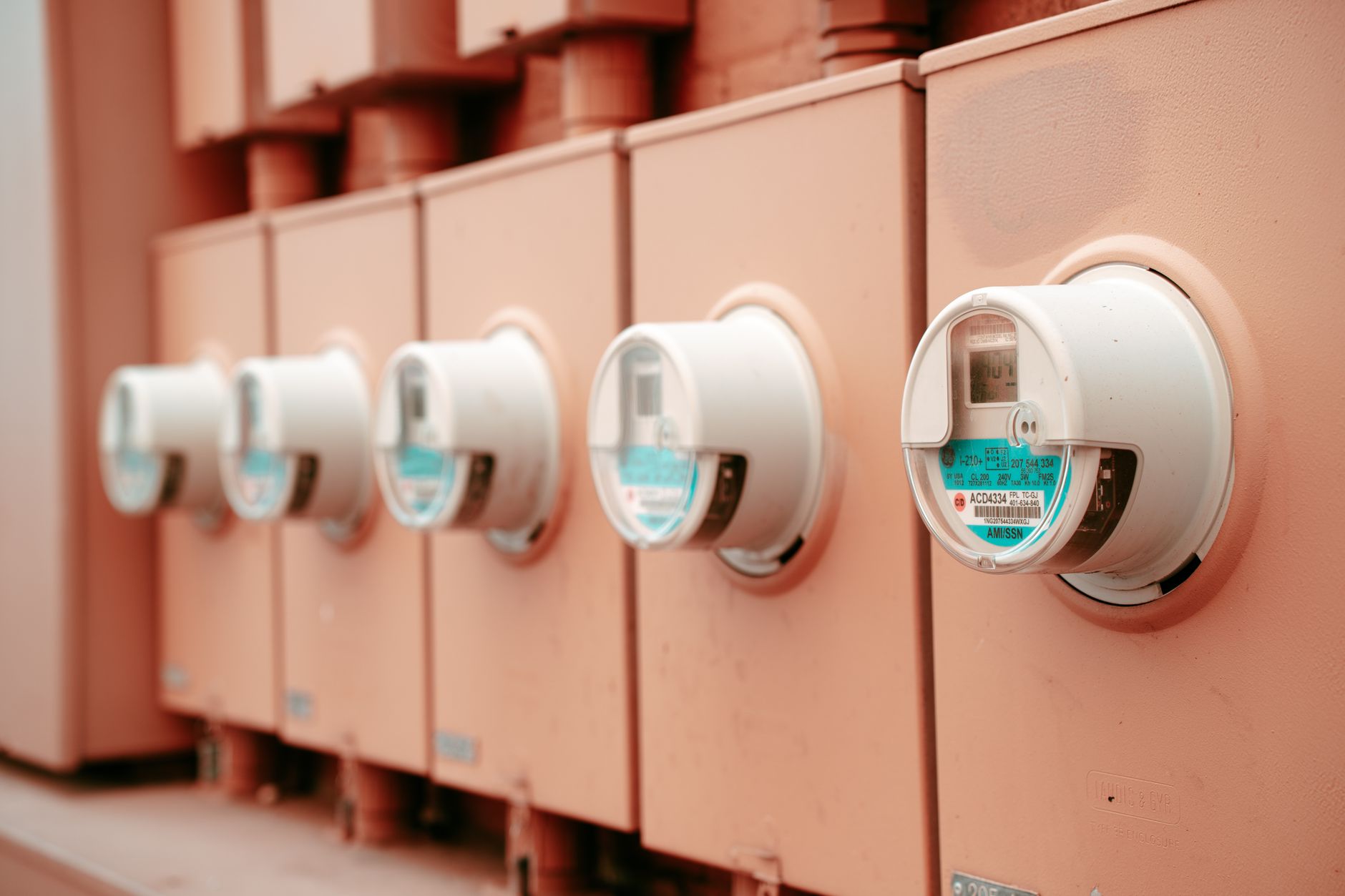
Smart meters represent a significant evolution in energy management technology, providing real-time feedback on energy consumption. They replace traditional analog meters, allowing utilities and consumers to track and manage energy use more efficiently. This article will delve into the workings of smart meters and explore their features and benefits.
As the world moves toward more sustainable energy practices, understanding smart meters is crucial. By gaining insights into how they operate and the advantages they offer, consumers can make informed decisions about their energy usage and bills.
What Is a Smart Meter?
A smart meter is an advanced type of energy meter that records the consumption of electric energy in real-time and communicates this information back to the utility for monitoring and billing purposes. Unlike traditional meters that require manual reading, smart meters automate this process and provide both utilities and consumers with detailed data about energy usage.
How Does a Smart Meter Work?
Smart meters work by using a digital display to offer a detailed overview of energy consumption, often measuring electricity, gas, or water usage. They are equipped with communication technology that allows them to send information back to the utility company, making meter readings more accurate and timely.
Key Components of Smart Meters
- Measurement Unit: This part captures data on electricity consumption, often divided into time intervals (e.g., every 15 minutes).
- Communication Module: Smart meters use various communication protocols, including cellular, radio frequency (RF), and power line communication (PLC) to transmit data to utility services.
- User Interface: They typically feature a digital display that provides consumers with real-time feedback on their energy usage, helping to promote energy-saving behaviors.
- Sensors and Processors: These internal components allow the meter to track energy consumption accurately and manage the communication between the meter and the utility grid.
Features of Smart Meters
Smart meters come with various features that enhance their functionality and improve user experience. Here are some of the notable features:
Real-Time Monitoring
The ability to monitor energy usage in real-time is one of the most significant advantages of smart meters. Consumers can access detailed data on their energy usage patterns, such as when they use the most energy, allowing them to adjust their habits accordingly.
Automated Meter Reading
Smart meters send usage data directly to utilities, eliminating the need for manual meter readings. This automated process reduces billing errors and ensures that consumers only pay for the energy they actually use.
Time-of-Use Pricing
Many utilities offer time-of-use pricing models that vary energy rates based on the time of day. Smart meters facilitate this pricing structure by allowing consumers to understand peak rates and adjust their energy consumption accordingly.
Usage Alerts and Notifications
Smart meters can provide alerts and notifications regarding unusual usage patterns or potential issues, such as outages. These updates can help consumers take quicker action, contributing to energy efficiency and system reliability.
Outage Management
Utilities can detect outages and assess their impact more efficiently using smart meter data. This feature leads to faster restoration of services and reduces downtime for consumers.
Integration with Home Automation Systems
Many smart meters can integrate with home automation systems, allowing consumers to manage not only their energy consumption but also their appliances more effectively. These systems can automate energy usage based on data from smart meters.
Benefits of Using Smart Meters
Implementing smart meters brings several benefits to both consumers and utility providers. These advantages can lead to improved energy management and cost savings over time.
Enhanced Energy Efficiency
With real-time monitoring and detailed consumption statistics, consumers can identify energy-intensive appliances and behaviors, leading to better energy usage strategies and reduced waste.
Cost Savings
By utilizing time-of-use pricing schemes and optimizing their energy usage patterns, consumers can lower their energy bills. Additionally, the elimination of manual readings reduces operational costs for utility companies, which can translate into savings for consumers.
Improved Grid Stability
Smart meters contribute to a more stable energy grid by allowing utilities to better manage demand and supply dynamics. This capability minimizes blackouts and enhances the overall reliability of the energy supply.
Enhanced Environmental Impact
Smart meters facilitate the integration of renewable energy sources into the grid. They can help consumers track their usage related to renewable sources and encourage energy conservation, ultimately promoting a greener energy landscape.
Challenges and Concerns
While smart meters present numerous benefits, some challenges and concerns are commonly associated with their use.
Privacy Issues
The detailed data collected by smart meters raises privacy concerns regarding how consumer data is used and protected. Some users fear that their energy consumption patterns could be monitored or misused.
Cybersecurity Risks
Smart meters connect to the internet and utility networks, making them potential targets for cyberattacks. Utilities need to ensure robust cybersecurity measures are in place to protect both their infrastructure and user data.
Cost of Implementation
Transitioning from traditional meters to smart meters involves significant costs for utility companies, which can lead to concerns about how those costs are passed on to consumers. It’s essential for utilities to carefully manage this transition.
Compatibility and Standardization
With various manufacturers and communication protocols, ensuring compatibility and standardization poses a challenge. Utilities must establish standards for interoperability to avoid issues with meter management.
How to Read a Smart Meter
Reading a smart meter is generally straightforward, as they come equipped with digital displays. Here’s a simple guide on how to read your smart meter:
- Locate the Meter: Usually installed on an exterior wall of your home, find the smart meter.
- Understand the Display: The digital screen shows real-time consumption in kilowatt-hours (kWh) or other units of measurement. Familiarize yourself with the numbers displayed.
- Check Time-of-Use Rates: If applicable, ensure you understand the different rates based on the time of day, as your meter may display different usage data.
- Record Your Data: For record-keeping, note down the numbers displayed, along with the date and time, especially if you want to track your usage manually.
- Follow Utility Instructions: Your utility company may provide specific instructions or resources for understanding your meter data, so don’t hesitate to reach out if confused.
Choosing a Smart Meter
If you’re considering upgrading to a smart meter, understanding what to look for can help you make an informed choice. Here are factors to consider:
Compatibility
Ensure that the smart meter you choose is compatible with your current energy provider. A mismatch can render the meter useless.
Communication Technology
Different smart meters utilize various communication methods, like cellular or RF technology. Consider your home’s layout and whether it can support optimal communication for the device.
Data Accessibility
Choose a smart meter that not only allows for thorough data collection but also provides you with accessible tools or apps for tracking your usage easily.
User Reviews
Look into user feedback for insights into usability, features, and real-world performance. This input can guide you to make a choice that meets your needs.
Costs and Incentives
Assess costs not only for the smart meter but also for installation, along with any available incentives from your energy provider for making the switch.
Conclusion
Smart meters represent a significant advancement in how consumers and utility providers track and manage energy consumption. They offer advanced features and benefits that improve energy efficiency, provide cost savings, and contribute to a more stable energy grid. By understanding how smart meters function and their associated benefits, consumers can better navigate their energy choices.
For those looking to learn more about technology, consider exploring topics such as cloud computing, productivity tools, and cybersecurity to further enhance your understanding of modern tech systems.