
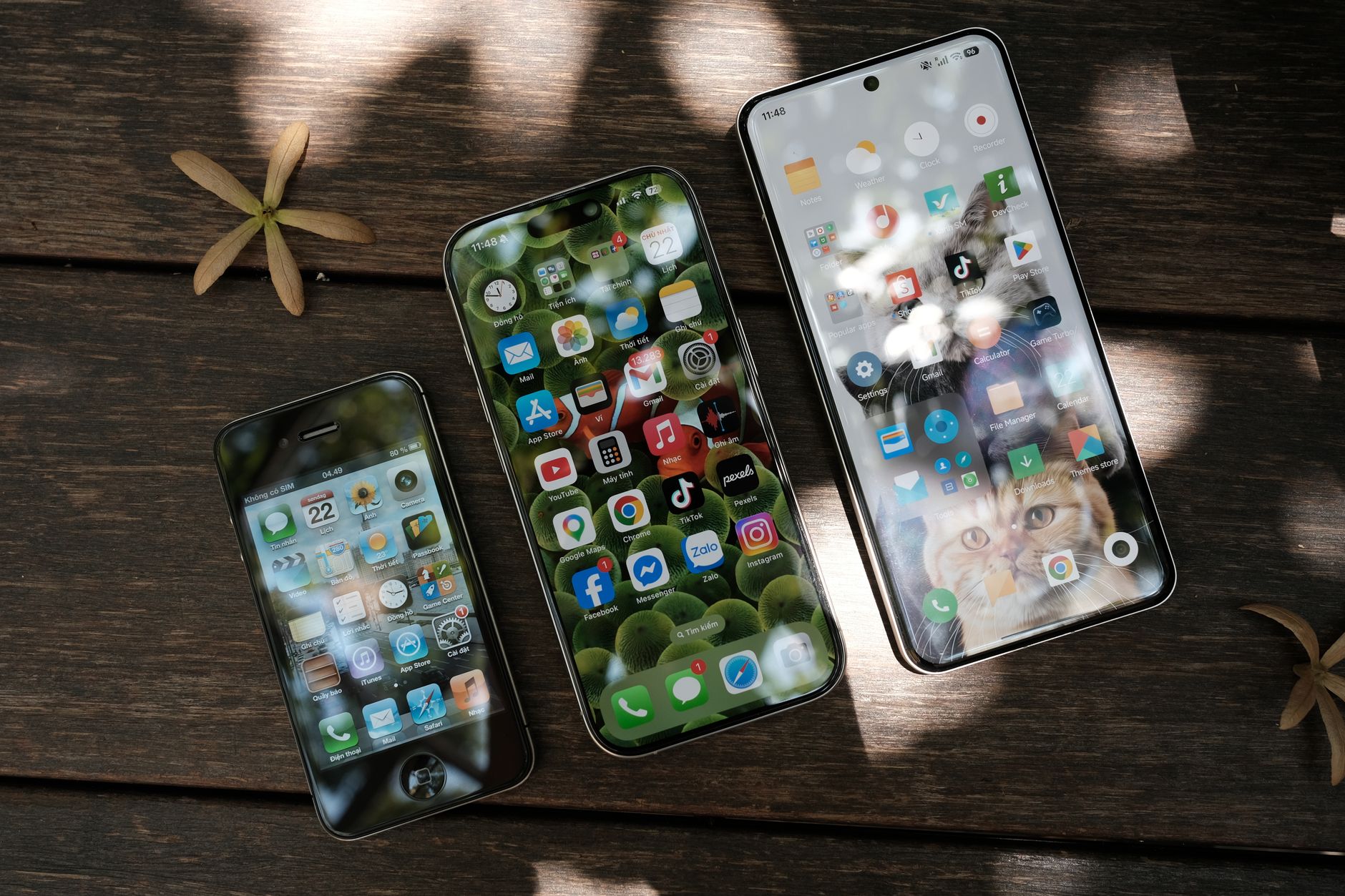
Choosing the right iPhone can feel overwhelming, especially with the myriad of options available today. With various models catering to different needs, preferences, and budgets, it is essential to evaluate the specifications, prices, and unique features of each device. This guide aims to simplify that process, helping you make an informed decision.
Whether you’re upgrading from an older model, switching from a different brand, or purchasing your first iPhone, this article will break down the factors to consider. You’ll also find tips on how to choose the right iPhone for your lifestyle and needs.
Which iPhone Should I Get?
The best iPhone for you depends on your usage habits, budget, and preferences. Models range from the budget-friendly iPhone SE to the high-end iPhone 14 Pro Max. Consider factors such as camera quality, performance, battery life, and size when deciding.
Understanding iPhone Models
Apple’s iPhone lineup has evolved significantly over the years. Here are the primary models currently available:
- iPhone 14 Pro and Pro Max: Flagship models with advanced features.
- iPhone 14: Great balance of features and performance.
- iPhone 14 Plus: Larger screen with similar specs as iPhone 14.
- iPhone 13 and 13 Mini: High-performance options at a lower price point.
- iPhone SE: Budget-friendly model with a compact design.
Performance and Hardware Comparison
Assessing performance is crucial when selecting an iPhone. Here is a summary of key hardware specifications across different models:
| Feature | iPhone 14 Pro | iPhone 14 Pro Max | iPhone 14 | iPhone 14 Plus | iPhone 13 | iPhone SE |
|---|---|---|---|---|---|---|
| Processor | A16 Bionic | A16 Bionic | A15 Bionic | A15 Bionic | A15 Bionic | A15 Bionic |
| Display Size | 6.1” Super Retina XDR | 6.7” Super Retina XDR | 6.1” Super Retina XDR | 6.7” Super Retina XDR | 6.1” Super Retina XDR | 4.7” Retina HD |
| Camera (Main) | Triple 48 MP | Triple 48 MP | Dual 12 MP | Dual 12 MP | Dual 12 MP | Single 12 MP |
| Battery Life | Up to 23 hours talk | Up to 29 hours talk | Up to 20 hours talk | Up to 26 hours talk | Up to 19 hours talk | Up to 15 hours talk |
| Starting Storage | 128 GB | 128 GB | 128 GB | 128 GB | 128 GB | 64 GB |
Keep in mind that newer models generally have better performance and additional features. For high-end photography, gaming, or demanding apps, the iPhone 14 Pro models are ideal. The SE is suitable for everyday tasks without breaking the bank.
Camera Capabilities
The camera is one of the most important considerations for many iPhone users. Here’s a brief look at the camera specifications:
- iPhone 14 Pro and Pro Max: Triple-camera system with improved low-light performance, macro photography, and 4K video recording at 60 fps.
- iPhone 14: Dual-camera system with Night mode and 4K video capabilities.
- iPhone 13: Similar to the iPhone 14 but with slightly less advanced sensors.
- iPhone SE: Single 12 MP camera but supports Portrait mode and Smart HDR.
If photography is important to you, consider the iPhone 14 Pro models for their advanced capabilities and professional-grade features.
Battery Life and Charging
Battery life can significantly affect your daily usage experience. Here’s how various modes typically perform:
- iPhone 14 Pro Max: Up to 29 hours of talk time, excellent for heavy users.
- iPhone 14: Up to 20 hours, sufficient for moderate users.
- iPhone SE: Up to 15 hours, suitable for casual users or those frequently near chargers.
Charging options include traditional wired, wireless MagSafe, and fast charging. Newer models offer improvements in battery technology and longevity.
Price Range Overview
When it comes to pricing, Apple’s lineup offers something for everyone:
- iPhone 14 Pro Max: Starting at a premium price, reflecting its advanced features and capabilities.
- iPhone 14: Mid-range pricing, offering great value for the features provided.
- iPhone 13: Often discounted due to the release of newer models, it provides excellent value.
- iPhone SE: The most budget-friendly option with essential features.
Prices can vary based on storage options, and purchasing options such as financing, can also affect your total costs. Always check for promotions that may apply in your region.
Software and iOS Experience
All iPhone models run on Apple’s iOS, which ensures a smooth and cohesive experience across devices:
- iOS Updates: All models typically receive software updates for several years.
- User Interface: Known for its user-friendly interface, iOS makes navigation easy.
- App Compatibility: A broad range of apps are available on the App Store, optimizing utility based on device capabilities.
Newer models may support more advanced features and functionalities within iOS, including exclusive apps and tools.
Choosing Based on Your Needs
When deciding on the right iPhone, consider the following:
- Usage: Are you a casual user or someone who needs top-tier performance for work and play?
- Budget: Determine how much you are willing to spend without sacrificing essential features.
- Camera Needs: If you often take photos or videos, prioritize models with superior camera capabilities.
- Screen Size Preferences: Consider whether you prefer a compact design or a larger display for media consumption or productivity.
Storage Considerations
iPhones come in various storage capacities, which is crucial depending on your use case:
- Small Storage (64 GB or 128 GB): Suitable for light users who stream media.
- Medium Storage (256 GB): Ideal for moderate users who download apps and photos.
- Large Storage (512 GB or more): Recommended for heavy users such as gamers, photographers, and those storing large amounts of data.
Remember, iPhones do not support microSD cards, so choose your storage wisely to avoid running out of space.
Buying Tips
When you’re ready to purchase your iPhone, keep these tips in mind:
- Research Promotions: Look for deals and offers through carriers or retailers.
- Consider Refurbished Models: Certified refurbished iPhones often come at a lower price with a warranty.
- Check Carrier Options: Compare contracts and payment plans that might fit your financial strategy.
- Trade-In Programs: Explore Apple’s or your carrier’s trade-in programs to offset the price of a new iPhone.
Conclusion
Deciding which iPhone to buy ultimately depends on your specific requirements and budget. Whether you opt for the functionality-packed iPhone 14 Pro or the economical iPhone SE, there’s something for everyone. Ensure that you prioritize the specifications that matter most to you, whether it’s camera quality, performance, or price.
For further exploration on iPhone features, check out resources such as which iPhone has the best camera and how much is the iPhone 16.