
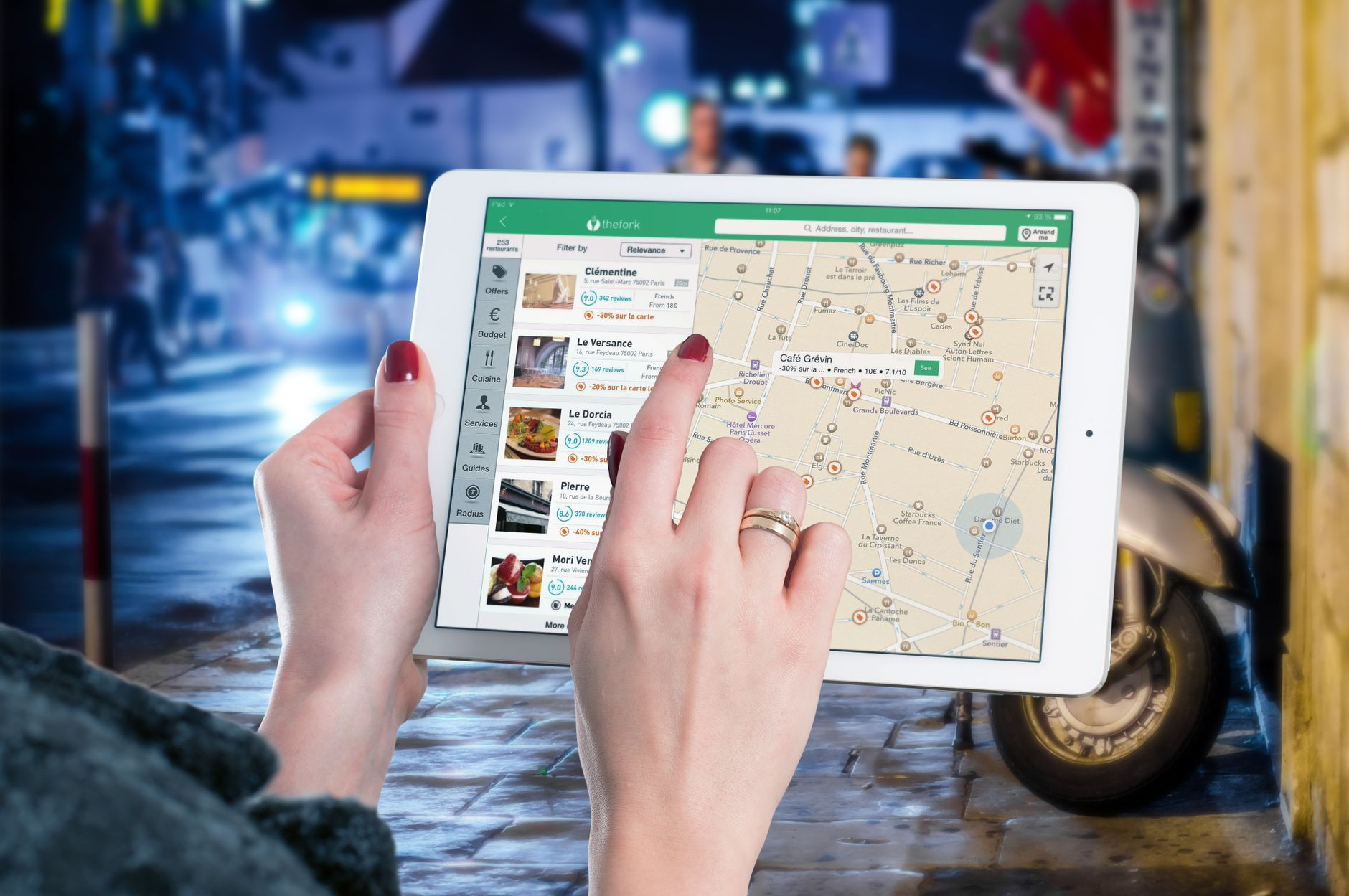
As digital mapping technology continues to evolve, finding precise locations has become increasingly important. One of the innovative solutions addressing this need is what3words. This system offers a unique approach to mapping addresses and sharing locations in a way that’s simple, precise, and user-friendly.
This article explores what3words, how it works, its key features, real-world applications, and its implications for location sharing and navigation.
What Is what3words?
What3words is a location-based technology that divides the world into a grid of 3m x 3m squares and assigns each square a unique combination of three words. This system simplifies navigational challenges and enhances location sharing beyond traditional GPS coordinates and addresses.
How Does what3words Work?
The underlying mechanics of what3words revolve around a global grid that consists of 57 trillion 3m x 3m squares, each identified by a unique three-word combination.
The Grid System
To understand what3words, it’s essential to grasp its grid system. The entire surface of the Earth is mapped, and each square within this grid is assigned three random words from a predetermined list. For example, the location for the Eiffel Tower in Paris is “filled.count.soap”, while a spot in the Sahara Desert might be “allow.mending.treat”.
Word Selection
The words are carefully chosen to minimize confusion from accent, pronunciation, and spelling issues. Additionally, the selection process ensures that words are easy to remember, even for people who do not speak the same language.
Key Features of what3words
- Accuracy: Each what3words address uniquely identifies a precise location, allowing for accurate navigation.
- User-Friendly: The use of simple three-word addresses makes it easier for people to communicate and share locations without requiring technical knowledge.
- Multilingual: The system supports multiple languages, allowing users around the world to interact with locations seamlessly.
- Offline Capability: The what3words app offers offline access, enabling location sharing and mapping in areas with no internet connectivity.
- Integration: The what3words technology can be integrated into various apps and devices, enhancing their location sharing capabilities.
Real-World Applications of what3words
What3words has found applications in various fields. Below are some significant use cases:
Emergency Services
One of the most notable applications is in emergency services. Many organizations, including police and rescue services, use what3words to pinpoint exact locations when responding to emergencies, ensuring that help arrives quickly and efficiently.
Travel and Tourism
Travelers and tourists can use what3words to find and share specific attractions, hotels, or restaurants without confusion. Instead of sharing complex GPS coordinates, they can simply relay three-word addresses.
Logistics and Delivery
In logistics, companies can ensure that deliveries reach precise locations. Whether it’s a parcel delivered to a remote area or a crucial supply drop-off, what3words aids in minimizing delivery errors.
Events and Festivals
Event organizers utilize what3words to direct attendees to specific entrances or stations, particularly in large venues where traditional addresses may not suffice. It simplifies offering directions and reduces congestion.
Using what3words for Location Sharing
Users can easily share locations using what3words. Here’s a simple guide on how to use the system effectively.
Accessing what3words
To use what3words, you can either visit their website or download the mobile app available for both Android and iOS platforms.
Finding a Location
- Open the what3words app or website.
- Enter your desired location in the search bar.
- The app will display the nearest three-word address corresponding to that location.
- You can click on the address to copy it and share it.
Sharing Your Location
- Navigate to your current location or the desired place you want to share.
- Note the three-word address displayed.
- Use your preferred messaging platform to share that address.
Advantages of what3words
- Simplicity: The three-word address system is easy to remember and communicate.
- Precision: Eliminates confusion related to traditional address formats.
- Accessibility: Users don’t need advanced technical know-how to benefit from what3words.
- Global Application: Works anywhere in the world, benefitting international users.
Limitations of what3words
- Word Combinations: While designed for clarity, some combinations may be misheard or misremembered, leading to potential issues.
- Over-reliance: Users may become too dependent on the system and neglect traditional navigation methods.
- Internet Requirement: While it has offline capabilities, initial usage typically requires internet access to download the app or get updates.
Comparing what3words to Traditional Addresses
A comparison between what3words and traditional addressing systems highlights the advantages and drawbacks of each. Below is a side-by-side comparison:
| Feature | what3words | Traditional Address |
|---|---|---|
| Precision | 3m x 3m accuracy | Varies by locality |
| Ease of Use | Three simple words | Street names and numbers |
| Global Universality | Same format worldwide | Different formats globally |
| Language Support | Multilingual | Language-dependent |
Future of what3words
As the technology landscape evolves, what3words is positioned to play a significant role in enhancing navigation and location sharing. The potential advancements may include:
- Augmented Reality (AR) Integration: Future apps may incorporate AR to display what3words addresses more interactively.
- Increased Partnerships: Collaborations with GPS systems, delivery services, and emergency responders are likely to expand.
- Smart City Initiatives: what3words can complement smart city projects, optimizing urban navigation and services.
Privacy and Security Considerations
When using location-based services like what3words, it is essential to consider privacy and security:
Data Privacy
Although what3words does not track users’ movements, users should still be cautious about sharing precise locations publicly. Understand the implications of sharing your three-word address in relation to privacy.
Security Awareness
When sharing locations via the app, users should ensure they are communicating with trusted individuals to avoid sharing their address with strangers.
Conclusion
What3words revolutionizes the way we think about location sharing by simplifying and enhancing precision. With its growing adoption across various industries, it plays an integral role in navigating our increasingly interconnected world. Whether for emergencies, travel, or logistics, the opportunities offered by this innovative system are vast. Consider exploring how what3words can benefit your location-sharing needs today.
For more information on networking and internet-related topics, feel free to check out our guides on what a DNS server is and what private DNS entails.