
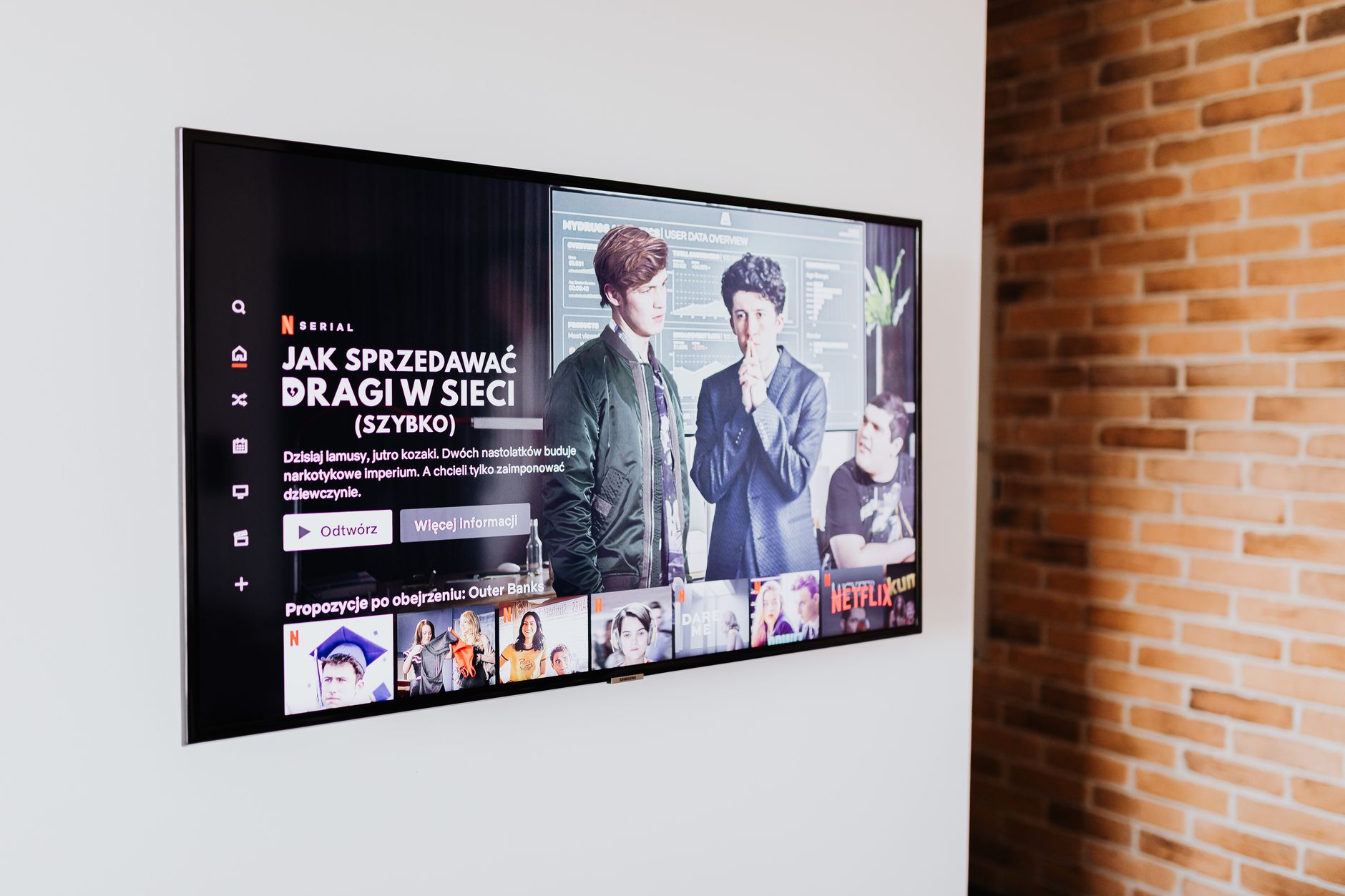
QLED, short for Quantum-dot Light Emitting Diode, is a display technology pioneered by Samsung that has gained significant traction in the television market. It combines the advantages of existing LCD technology with quantum dot technology, delivering enhanced colors and improved brightness. This article will explore what QLED is, its image quality, performance characteristics, and key features, allowing you to understand how it fits into the landscape of modern televisions.
As more consumers look for high-quality visual experiences, understanding the implications of display technologies like QLED becomes essential. This guide provides a comprehensive overview of QLED technology and its unique attributes, facilitating informed decisions when considering your next television purchase.
What Is QLED?
QLED is a display technology that utilizes quantum dots to enhance color and brightness in LCD televisions. Unlike OLED (Organic Light Emitting Diode) screens, which emit light at the pixel level, QLED screens use a traditional LED backlight paired with a quantum dot film. This film consists of small semiconductor nanocrystals that emit light when exposed to the backlight, producing a broader color spectrum and increased brightness.
Image Quality of QLED
The primary selling point of QLED technology is its outstanding image quality. Below are the key factors contributing to its visual prowess:
Color Accuracy and Volume
One of the most significant advantages of QLED displays is their ability to produce vibrant and accurate colors. This is due to the wide color gamut achieved through the use of quantum dots. These dots can emit varying wavelengths of light based on their size, resulting in a richer color palette and improved saturation. The larger the coverage of the color spectrum, the more accurate colors appear on the display.
Brightness
QLED TVs are known for their impressive peak brightness levels, making them suitable for bright environments. This high brightness allows the display to showcase details even in well-lit rooms, enhancing the viewing experience for HDR (High Dynamic Range) content. The ability to deliver intense brightness without compromising color accuracy is a hallmark of QLED technology.
Contrast
While QLEDs can achieve high brightness levels and vivid colors, they still rely on an LED backlight, which can affect contrast ratios. However, advancements in local dimming technology have improved this aspect. Local dimming allows certain areas of the screen to dim independently, enhancing the contrast ratio by providing deeper blacks and brighter whites, albeit not to the extent of OLED technology.
HDR Performance
High Dynamic Range (HDR) is critical to modern viewing experiences, and QLED TVs excel in this area. The enhanced brightness and color volume of QLED displays make them particularly well-suited for HDR content. This capability allows viewers to see more detail in both shadows and highlights, resulting in a more lifelike picture.
Performance of QLED Displays
The performance of a QLED TV is influenced by various factors, including processing power and response times. Let’s delve deeper into these aspects.
Processing Power
The integrated processors in QLED televisions are designed to enhance performance. These processors are responsible for upscaling lower-resolution content, reducing noise, and improving motion handling. As a result, viewers experience smoother motion and less blur during fast-paced scenes, such as sporting events or action movies.
Response Time and Refresh Rate
Response time refers to how quickly individual pixels can change from one color to another. QLED displays typically have faster response times compared to traditional LCDs, reducing motion blur during dynamic scenes. Combined with high refresh rates, often up to 120Hz, QLED TVs provide excellent performance even during fast-moving sequences.
Key Features of QLED Technology
QLED TVs offer a range of features that can enhance the viewing experience. Here are some of the most notable:
Quantum Dot Technology
At the core of QLED technology is the use of quantum dots. These are tiny semiconductor particles that enhance color reproduction and brightness. The ability to fine-tune color output based on the size of quantum dots allows QLEDs to achieve exceptional color accuracy and vibrancy.
Local Dimming
As mentioned earlier, local dimming helps improve contrast by dimming specific areas of the screen. This feature is particularly beneficial for HDR content, where controlling brightness in specific regions can create a more immersive experience.
Anti-Reflective Coatings
Many QLED models include anti-reflective coatings to help reduce glare. This feature is essential for maintaining picture quality in bright rooms or when watching television during daylight hours. These coatings minimize reflections, keeping the focus on the screen for a better viewing experience.
Smart Features
Most QLED TVs come with smart capabilities, allowing users to access streaming services, browse the internet, and download apps. This integration makes it easy to access content from various sources and enhances overall convenience.
Wide Viewing Angles
Although QLED displays are traditionally known for their superior performance in terms of brightness and color accuracy, their viewing angles have historically been a concern. However, advancements in technology have led to improvements in viewing angles, ensuring that colors remain accurate and vivid, even when viewed from off-angles.
Durability and Lifespan
QLED TVs are often lauded for their longevity compared to OLED displays. Since they do not rely on organic materials, QLEDs do not suffer from burn-in, a phenomenon where static images remain on the screen over time. This durability makes QLED a more appealing choice for varied viewing habits.
Comparing QLED to Other Technologies
In the current television market, QLED is often compared to OLED, LCD, and MicroLED technologies. Let’s break down some critical differences.
QLED vs. OLED
While both QLED and OLED offer excellent picture quality, they differ fundamentally in their construction. QLED uses an LED backlight with a quantum dot layer for color enhancement, whereas OLED utilizes self-emissive pixels that generate their own light. This key difference gives OLED an edge in displaying perfect black levels but QLED excels in brightness and color volume, making it suitable for bright environments.
QLED vs. LCD
Standard LCD TVs use a liquid crystal display with traditional CCFL or LED backlighting. QLED enhances this experience through quantum dot technology, resulting in superior color accuracy and brightness. Consequently, QLED TVs tend to provide a more vibrant and immersive viewing experience compared to standard LCD displays.
QLED vs. MicroLED
MicroLED is an emerging display technology that utilizes microscopic LEDs to create a self-emissive panel, akin to OLED. MicroLED promises fantastic contrast and color, similar to OLED, but with the benefits of higher brightness levels and no burn-in risk. While MicroLED is still developing and typically comes at a premium, QLED currently remains a better option for budget-conscious consumers seeking excellent performance.
Considerations When Buying a QLED TV
If you’re considering investing in a QLED TV, here are a few factors to keep in mind:
Screen Size
Determine the optimal screen size for your space. Measure the distance from your viewing position to the screen and consider the resolution, as higher resolution models allow for larger screens without sacrificing image quality.
Resolution
Most QLED TVs now come with 4K resolution, with some high-end models offering 8K. While 4K is widely supported and offers excellent quality, 8K provides enhanced detail for ultra-high-definition content, though availability and content might be limited.
Smart Platform
Choose a QLED TV with a smart platform that supports your favorite streaming services and apps. Review the user interface and ensure it meets your expectations regarding ease of navigation and functionality.
Input and Output Options
Consider the connectivity options available on the QLED TV, including HDMI ports, USB ports, and streaming capabilities. Ensure compatibility with your existing devices, such as gaming consoles or sound systems.
Budget
Determine your budget before purchasing a QLED TV, as prices can vary significantly based on features and specifications. Consider the long-term investment, as a high-quality QLED can provide lasting performance and satisfaction.
Conclusion
QLED technology represents a significant advancement in television displays, offering vibrant colors, high brightness, and smart features. While it may not achieve the same perfect black levels as OLED, its ability to produce stunning images in bright environments makes it an excellent choice for many consumers. As you navigate the world of display technologies, understanding QLED’s capabilities will empower you to make informed decisions tailored to your viewing preferences.
Explore related tech tutorials, explainers, comparisons, or troubleshooting guides on the following topics: what is HDR, and what is ray tracing.