
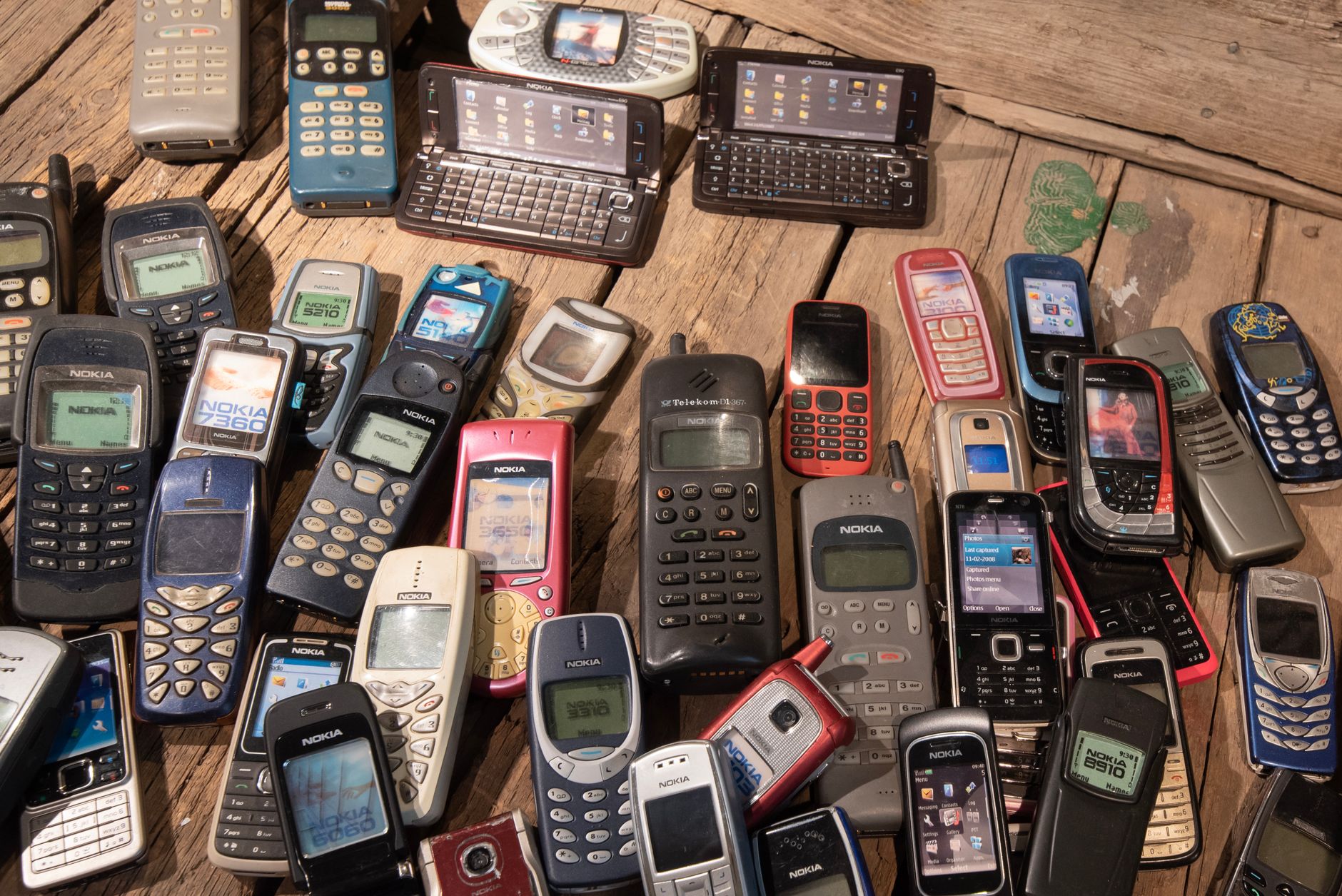
The evolution of the cell phone is a fascinating journey that has transformed the way we communicate. Understanding when cell phones came out, alongside their significant milestones and advancements, helps appreciate the technology that shapes our daily lives. From rudimentary devices to sophisticated smartphones, the progression of mobile communication reflects an impressive leap in innovation.
This article explores the history of cell phones, key models that marked major advancements, and pivotal moments in the development of mobile technology. Whether you’re a tech enthusiast or just curious about how we got to where we are today, this guide is designed for you.
When Did Cell Phones Come Out?
Cell phones first became commercially available in the early 1980s. The Motorola DynaTAC 8000X, released in 1983, is often credited as the first commercially available handheld mobile phone, marking a significant milestone in communication technology.
The Birth of Mobile Communication
The concept of mobile communication dates back to the early 20th century with the introduction of radio technology. However, it wasn’t until the following decades that this technology evolved into what we know today as mobile phones.
Early Experiments
- 1920s: The first mobile radio telephones were introduced. These devices were large and only partially developed for practical personal use.
- 1946: The first mobile telephone system was launched by AT&T, allowing for calls to be made from vehicles. However, it relied on landline frequencies, limiting mobility.
- 1960s: The idea of creating a true mobile phone network began taking shape, but the technology was still in its infancy.
Pivotal Developments in the 1970s
In the 1970s, major strides were made towards the development of a practical mobile phone. Researchers at Bell Labs and Motorola were particularly integral to these advancements.
- 1973: Martin Cooper, an engineer at Motorola, made the first call from a handheld mobile phone. The device used analog technology and weighed about 2.5 pounds.
- 1977: The first base station was installed by AT&T, setting the stage for a network that could support mobile phones.
The Introduction of Commercial Cell Phones
After years of research and experiments, the first commercially viable cell phone was introduced in 1983, paving the way for mobile communication as we know it.
Motorola DynaTAC 8000X
Released in 1983, the Motorola DynaTAC 8000X is famously known as the first handheld mobile phone. Here are its notable features:
- Size: Approximately 10 inches tall and weighing nearly 2.5 pounds.
- Battery Life: Offered about 30 minutes of talk time, requiring 10 hours to recharge.
- Price: Cost around $3,995 at launch, which is equivalent to over $10,000 today when adjusted for inflation.
The Impact of the DynaTAC 8000X
The introduction of the DynaTAC 8000X not only marked the beginning of the mobile phone era but also influenced social dynamics by making communication more accessible. Although it was limited in functionality and usability, it laid the groundwork for modern phones.
The 1990s: The Mobile Revolution
The 1990s saw significant advancements in mobile technology, with increasing consumer adoption and the introduction of more compact devices.
Second Generation (2G) Networks
The launch of 2G networks in the early 1990s made way for digital mobile communication. This enhancement provided improved voice quality and allowed for SMS (Short Message Service).
- 1991: The first GSM mobile network was launched in Finland, setting the standard for mobile networks worldwide.
- 1992: Nokia introduced the Nokia 1011, one of the first GSM phones, popularizing features such as SMS messaging.
Iconic Models of the 1990s
Several significant phones were launched during this decade:
- Nokia 5110 (1998): Known for its durability and long battery life, the Nokia 5110 became iconic, selling over 160 million units globally.
- Sony Ericsson T68 (2001): This phone was well known for its color display and integration with Sony’s imaging technology.
The 2000s: The Rise of Smartphones
The early 2000s marked the transition from cell phones to smartphones. As technology progressed, features were rapidly added, enabling more complex functions beyond just communication.
Introduction of the Smartphone
The first devices combining the features of a mobile phone and a personal digital assistant (PDA) started emerging, leading to the development of smartphones.
- 2000: The Ericsson R380 introduced the concept of a smartphone, combining phone features with PDA functionalities.
- 2002: The Nokia 9210 Communicator debuted, boasting a full QWERTY keyboard and Internet browsing capabilities.
BlackBerry Revolution
BlackBerry became synonymous with business communication in the 2000s:
- BlackBerry 850: Released in 1999 but gained popularity in the early 2000s, this device was one of the first to offer email capabilities on a mobile phone.
- BlackBerry Pearl (2006): This model was significant for popularizing mobile internet and instant messaging.
Introduction of the iPhone and Android
The release of the iPhone in 2007 and the subsequent launch of Android-based devices marked a significant change in the cell phone industry.
The Apple iPhone
Announced by Steve Jobs on January 9, 2007, the iPhone revolutionized the smartphone industry.
- Touchscreen Interface: The iPhone eliminated the need for a physical keyboard, introducing an intuitive touchscreen interface.
- App Store: The introduction of the App Store in 2008 allowed third-party developers to create applications, further expanding smartphone functionality.
The Rise of Android
Shortly after the iPhone’s launch, Android became a significant player in the smartphone market:
- 2008: The first Android phone, the HTC Dream (also known as the T-Mobile G1), was released, offering users a customizable experience.
- Market Share: Android’s open-source model allowed various manufacturers to produce devices, quickly dominating the global market.
The Age of Smartphones and Beyond
Since the late 2000s, smartphones have continued to evolve rapidly, incorporating new technologies and features.
Developments in Hardware and Design
Smartphones increasingly adopted advanced technologies, leading to improvements in user experience:
- Camera Technology: Smartphones now regularly include multiple high-quality cameras for enhanced photography capabilities.
- Biometric Security: Features like fingerprint and facial recognition became common, providing additional layers of security.
5G Technology and Future Developments
The introduction of 5G networks is set to transform mobile communications further:
- Faster Speeds: 5G networks promise significantly higher data speeds and reduced latency, enhancing mobile internet access.
- IoT Integration: The rise of the Internet of Things (IoT) allows smartphones to connect seamlessly with smart devices.
Challenges and Considerations
As cell phones continue to evolve, several challenges and considerations come into play:
- Privacy Concerns: The increasing connectivity raises significant privacy issues, from data collection by apps to the potential for unauthorized access.
- Cybersecurity: With more personal information stored on devices, the threat of malware and hacking has grown, necessitating strong cybersecurity measures.
Conclusion
The evolution of cell phones from the bulky DynaTAC 8000X to the multifunctional smartphones of today is a testament to human ingenuity and technological advancement. Understanding the milestones in this journey provides insight into current and future mobile technologies. As we move forward, the challenges we face regarding security and privacy will require continuous attention and improvement.
For further exploration, consider delving into related topics such as what a SIM card is or look into the emerging technology of eSIMs. Each of these areas presents a fascinating glimpse into the future of mobile technology.