
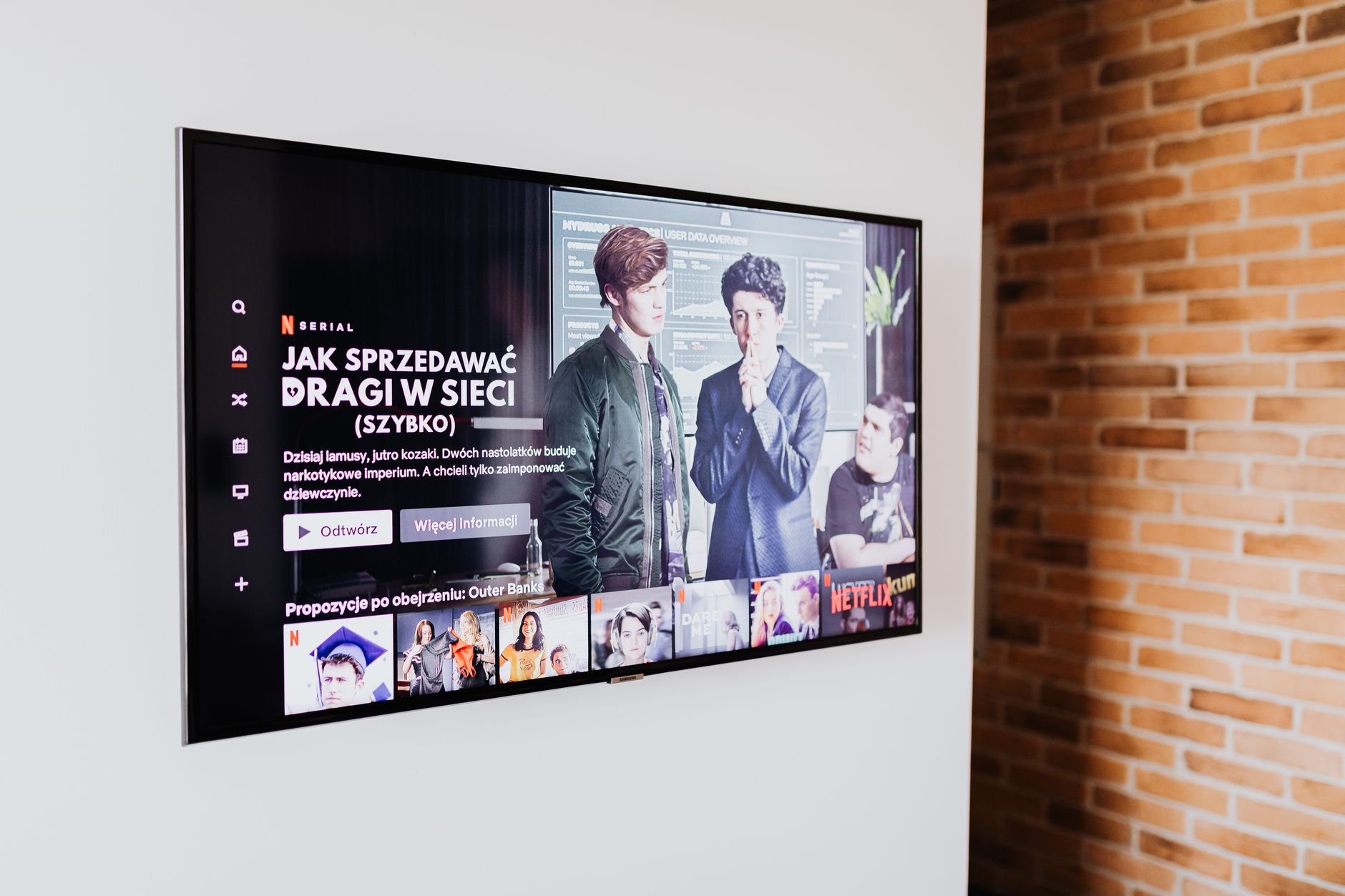
If you’re in the market for a new television, understanding size dimensions is crucial for ensuring it fits well in your desired space. One common size that generates significant interest is the 65-inch TV. In this article, we’ll explore the dimensions of a 65-inch TV, including its width, height, and depth, so you can make informed decisions when purchasing or setting up your new television.
In addition to the specifications, we will also discuss the benefits of having a 65-inch TV, how it’s measured, compatibility with different mounting options, and considerations when placing it in your home. By the end, you’ll be fully equipped to choose the right television for your needs.
How Wide Is a 65 Inch TV?
A 65-inch TV typically has a width of approximately 56.7 inches (144.0 cm). This measurement corresponds to the diagonal screen size, which is how TVs are generally measured—across the screen from corner to corner. The exact width may vary slightly based on the manufacturer’s design and the model.
Understanding TV Measurements
To appreciate the dimensions of a TV, it’s essential to understand how screen size and aspect ratios play into the overall dimensions. Most modern TVs have an aspect ratio of 16:9, which is standard for high-definition displays.
Diagonal Measurement Explained
The diagonal measurement is the distance from one corner of the screen to the opposite corner. Here’s how to visualize the measurement:
- Start at one corner of the screen (let’s say the bottom left).
- Stretch diagonally across to the opposing corner (the top right).
- The total length you measure is the screen size, for example, 65 inches.
Aspect Ratio and Its Implications
The 16:9 aspect ratio means that for every 16 units of width, there are 9 units of height. Therefore, for a 65-inch TV, the approximate height would be about 27.9 inches (70.9 cm). This ratio is crucial to consider when selecting a TV, as it affects not just the physical dimensions but the viewing experience as well.
Dimensions of a 65 Inch TV
Let’s break down the typical dimensions of a 65-inch TV, which includes width, height, and depth. While the screen size is 65 inches diagonally, the actual dimensions will depend on the specific model and its design.
Typical Width, Height, and Depth
| Dimension | Measurement |
|---|---|
| Width | 56.7 inches (144.0 cm) |
| Height | 27.9 inches (70.9 cm) |
| Depth (without stand) | 1.8 to 3.3 inches (4.6 to 8.4 cm) |
| Depth (with stand) | 10 to 12 inches (25.4 to 30.5 cm) |
Variations by Manufacturer
Different manufacturers and models will have slight variations in these measurements due to design choices. For example, some TVs may have thinner bezels, impacting the overall width and height slightly.
Why Choose a 65 Inch TV?
A 65-inch TV is often chosen for its balance between size and usability. Here’s why many consumers gravitate toward this size:
- Immersive Viewing Experience: A larger screen enhances the impact of movies, shows, and gaming.
- Ideal for Medium to Large Rooms: A 65-inch screen is well-suited for viewing distances of around 8-12 feet, making it perfect for living rooms or media rooms.
- Variety of Content: With 4K and HDR content becoming widely available, a larger display maximizes the viewing experience.
Mounting Options for a 65 Inch TV
When it comes to setting up your television, mounting is a popular option. Understanding how wide a 65-inch TV is can help determine the best mounting style.
Wall Mounting Considerations
When mounting a TV on a wall, you need to ensure that your chosen mount can handle the size and weight of the television. Most 65-inch TVs weigh between 50 to 80 pounds (22.7 to 36.3 kg). Here’s what to check:
- VESA Pattern: Ensure that the wall mount is compatible with the TV’s VESA pattern, which is the standard distance between mounting holes on the back of the TV.
- Weight Rating: Verify that the mount can support the weight of your TV.
- Wall Studs: Make sure to secure the mount to the wall studs to ensure stability.
Freestanding Stands
If wall mounting is not an option, a TV stand is an alternative. When choosing a stand, consider:
- Width of the Stand: Ensure the stand is wider than the TV for stability.
- Storage Space: Choose a stand with adequate space for any additional devices like gaming consoles or streaming devices.
Viewing Distance for Optimal Experience
The distance from which you view a TV can significantly affect your experience. For a 65-inch TV, the ideal viewing distance is about:
- 8 to 12 Feet: At this distance, the viewer can fully appreciate the detail and clarity of 4K content without visible pixelation.
Measuring Your Space
If you’re unsure about your ideal distance, you can measure your seating area:
- Identify the location where you plan to place your TV.
- Measure the distance from the seating area to the TV’s location.
- Make adjustments based on comfort and space availability.
Common Misconceptions About TV Sizes
Several myths circulate regarding TV sizes, and understanding these can help in making more informed choices:
- Diagonal Measurement Equals Actual Width: Remember, the 65 inches are diagonal; the width is roughly 56.7 inches.
- Size and Quality are Equivalent: TV quality (resolution, panel type) is independent of size. A smaller TV can offer superior picture quality to a larger one.
- A Larger TV Always Means a Better Experience: The viewing distance and room size must match the TV size for the best experience.
Final Tips for Choosing a TV
Before making a purchase, here are some tips to keep in mind:
- Research Brands: Different brands have different features, panel types, and durability.
- Check for Discounts: Keep an eye out for sales events, especially around holidays.
- Read Customer Reviews: User feedback can provide insights into issues and strengths, guiding your purchase.
Conclusion
Understanding the dimensions and width of a 65-inch TV is vital for purchasing and setting it up in your home. A 65-inch TV measures approximately 56.7 inches wide and offers an immersive viewing experience, making it suitable for medium to large rooms. Ensure to consider aspects like viewing distance, mounting options, and brand research before making your final decision.
Now that you’re equipped with knowledge about 65-inch TVs, consider learning more about how to measure a TV or how to connect a Nintendo Switch to a TV. These guides can facilitate your tech endeavors effectively.