
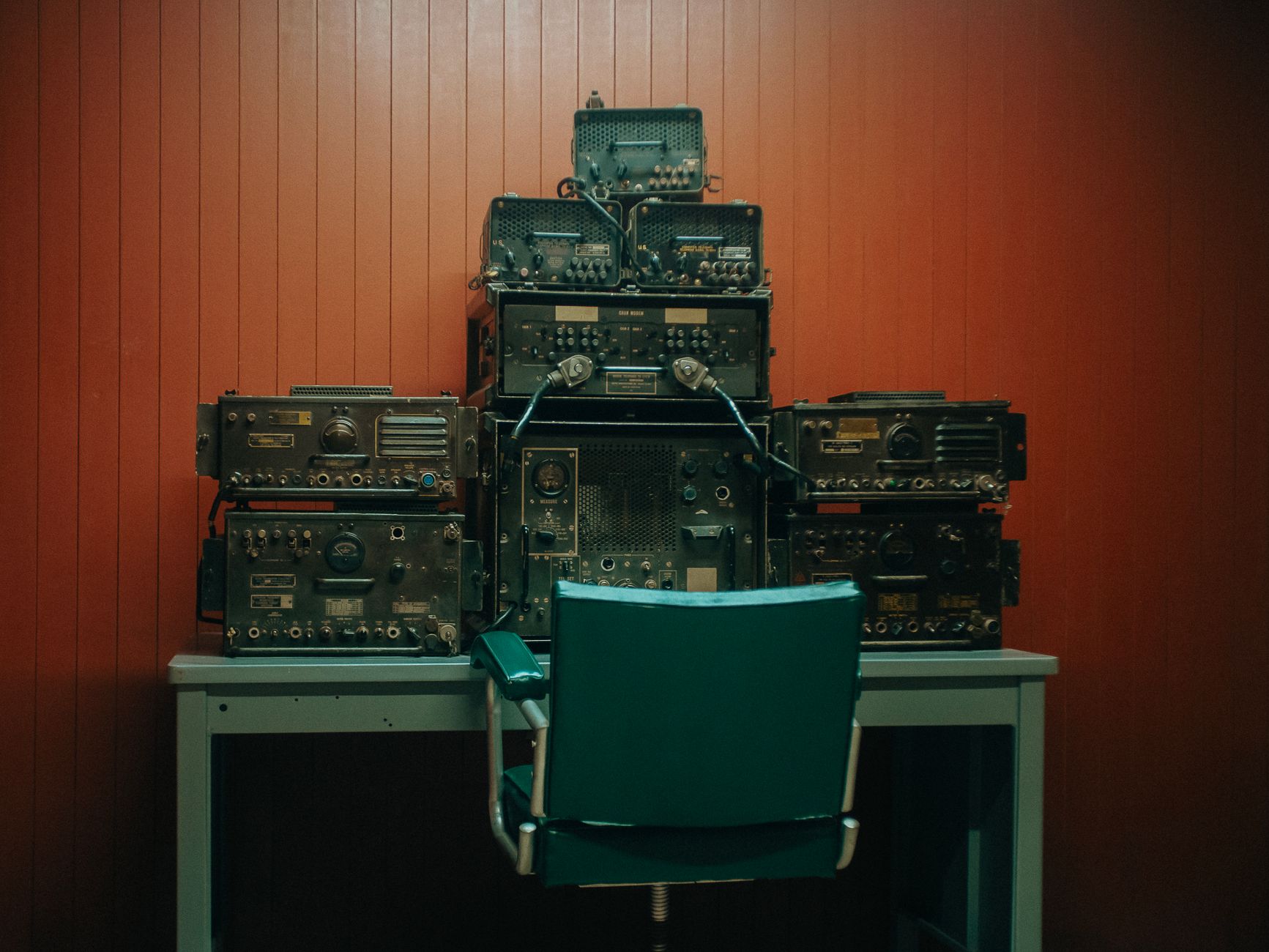
Morse Code is a method used to encode text characters as sequences of two different signal durations: dots and dashes. Originally developed in the 1830s and 1840s by Samuel Morse and Alfred Vail, it was primarily used for telecommunication. Today, Morse Code remains a significant part of various communication systems, especially in aviation and amateur radio.
This article explores the signals used in Morse Code, its encoding and decoding processes, its historical context, and its role in modern communication. Understanding Morse Code can offer insight into how technology evolves and how it can still be relevant today.
What Is Morse Code?
Morse Code is a coding scheme that translates letters and numbers into a series of short and long signals. These signals represent characters that can be transmitted over various communication mediums, including sound, visual signals, and written form. The foundational structure of Morse Code is comprised of dots (short signals) and dashes (long signals), which form the basis for encoding each character.
The History of Morse Code
The inception of Morse Code coincided with the rise of the telegraph. Samuel Morse, an artist and inventor, collaborated with Alfred Vail to develop this encoding system to be sent over telegraph wires. The first message sent using Morse Code was in 1844, transmitting the phrase “What hath God wrought.”
As the telegraph became widespread, Morse Code quickly gained popularity. It was soon adapted for maritime and aviation communication, ensuring precise transmissions where clarity was essential. The simplicity and adaptability of Morse Code allowed it to endure as a reliable communication method even during the digital age.
Signals in Morse Code
Morse Code utilizes two primary signals: dots and dashes. The representation of a dot is a short beep or flash of light, while a dash is a longer signal. Here’s a breakdown of the timing for Morse Code signals:
- A dot lasts for one time unit.
- A dash lasts for three time units.
- The space between parts of the same letter is one time unit.
- The space between letters is three time units.
- The space between words is seven time units.
This standardized timing allows for clear differentiation between letters and signals, which is crucial for effective communication. Below is a sample representation of some common letters and numbers in Morse Code:
| Character | Morse Code |
|---|---|
| A | .- |
| B | -… |
| C | -.-. |
| 1 | .—- |
| 2 | ..— |
Encoding and Decoding Morse Code
Encoding and decoding Morse Code involves translating plain text into Morse and vice versa. Here’s a straightforward guide on both processes:
Encoding Text to Morse Code
- Understand the Morse Code chart: Familiarize yourself with the Morse Code representations for various characters.
- Split the text into individual characters: Take the text you want to encode and break it down letter by letter.
- Translate each character: Using the Morse Code chart, replace each letter with its corresponding Morse representation.
- Employ appropriate spacing: Ensure you use the correct spacing rules for dots and dashes to form letters and words.
Decoding Morse Code into Text
- Get the Morse Code message: Start with a sequence of dots and dashes.
- Split the code: Break the code into segments according to the spaces between them.
- Translate each Morse segment: Using the Morse Code chart, convert each segment back into its letter representation.
- Reassemble the text: Combine the translated letters into cohesive words and sentences.
This encoding and decoding process can be performed manually or with the aid of software tools that automate the task in a digital environment.
Common Uses of Morse Code Today
While not as commonly used today as in the past, Morse Code still has vital applications in several fields:
- Aviation Communication: Morse Code identifies navigational aids such as VOR and NDB, helping pilots ensure they are on the proper flight path.
- Emergency Signaling: The SOS signal (…—…) is universally recognized as a distress call, making it essential in emergency situations.
- Amateur Radio: Many amateur radio operators continue to use Morse Code as a means of communication, especially in remote areas where voice communication is less effective.
- Assistive Technology: Morse Code is leveraged in assistive devices for individuals with disabilities, allowing them to communicate using simple inputs.
Learning Morse Code
Learning Morse Code can be both a useful skill and a fun challenge. Here are some effective methods for mastering it:
Visual Learning
Utilizing flashcards or apps that visualize Morse signals can help reinforce learning. Seeing the dots and dashes can aid memory retention.
Audio Learning
Many resources produce audio signals for Morse Code. Listening to the sounds associated with dots and dashes allows learners to develop auditory skills crucial for real-time decoding.
Practice Tools
- Morse Code Generators: Online tools can help encode text into Morse Code, which can be useful for practice.
- Games and Apps: Interactive games that challenge users to decode messages can make learning more engaging.
- Flashlight Signaling: Integer blending of Morse Code with light signals can make practice more practical and fun.
Morse Code in Modern Technology
Morse Code has seen various adaptations in modern technology:
Software
Numerous applications and websites can both encode and decode Morse Code quickly. These tools can serve various purposes, ranging from educational uses to serious encoding in communication systems.
Hardware
For radio enthusiasts, specialized hardware such as keyers and transceivers specifically designed for Morse Code communication remains popular. These devices allow operators to engage in long-distance communication using Morse Code.
Artificial Intelligence
Some AI systems have been programmed to decode Morse Code from audio signals, providing an advanced technological approach to understanding this traditional communication form.
Working with Morse Code: Common Issues and Troubleshooting
As with any technical system, users may encounter issues while working with Morse Code. Here are some common problems and solutions:
Common Issues
- Poor Signal Clarity: Ambiguous signals can lead to confusion, especially for longer messages.
- Timing Errors: Incorrect timing between dots and dashes may cause misinterpretation of the message.
- Morse Chart Confusion: Beginners may struggle to memorize Morse representations accurately.
Troubleshooting Tips
- Ensure a clear signal: For audio transmissions, maintain clarity by eliminating background noise.
- Practise timing: Use a metronome to develop a consistent rhythm for signaling.
- Utilize reference materials: Keep a handy Morse Code chart during practice sessions.
The Future of Morse Code
While Morse Code may seem outdated compared to modern communication systems, its principles are still relevant. The ability to convey messages succinctly and clearly is as vital in the digital age as it was during the time of telegraphs. Moreover, Morse Code remains an important aspect of emergency communication protocols.
As technology continues to evolve, there’s potential for new applications of Morse Code, particularly in niche areas such as assistive technologies and educational tools aimed at teaching basic communication principles.
Final Thoughts on Morse Code
Understanding Morse Code broadens your appreciation for the evolution of communication methods. Its simplicity and efficiency still find applications in various sectors, and learning it can be both practical and enjoyable. Whether for emergency readiness, navigation in aviation, or exploring a piece of technology history, Morse Code provides valuable insight into how humans have communicated across distances.
To delve deeper into related topics, consider exploring more about project management tools in Gantt charts or the historical significance of inventions, such as the fax machine.