
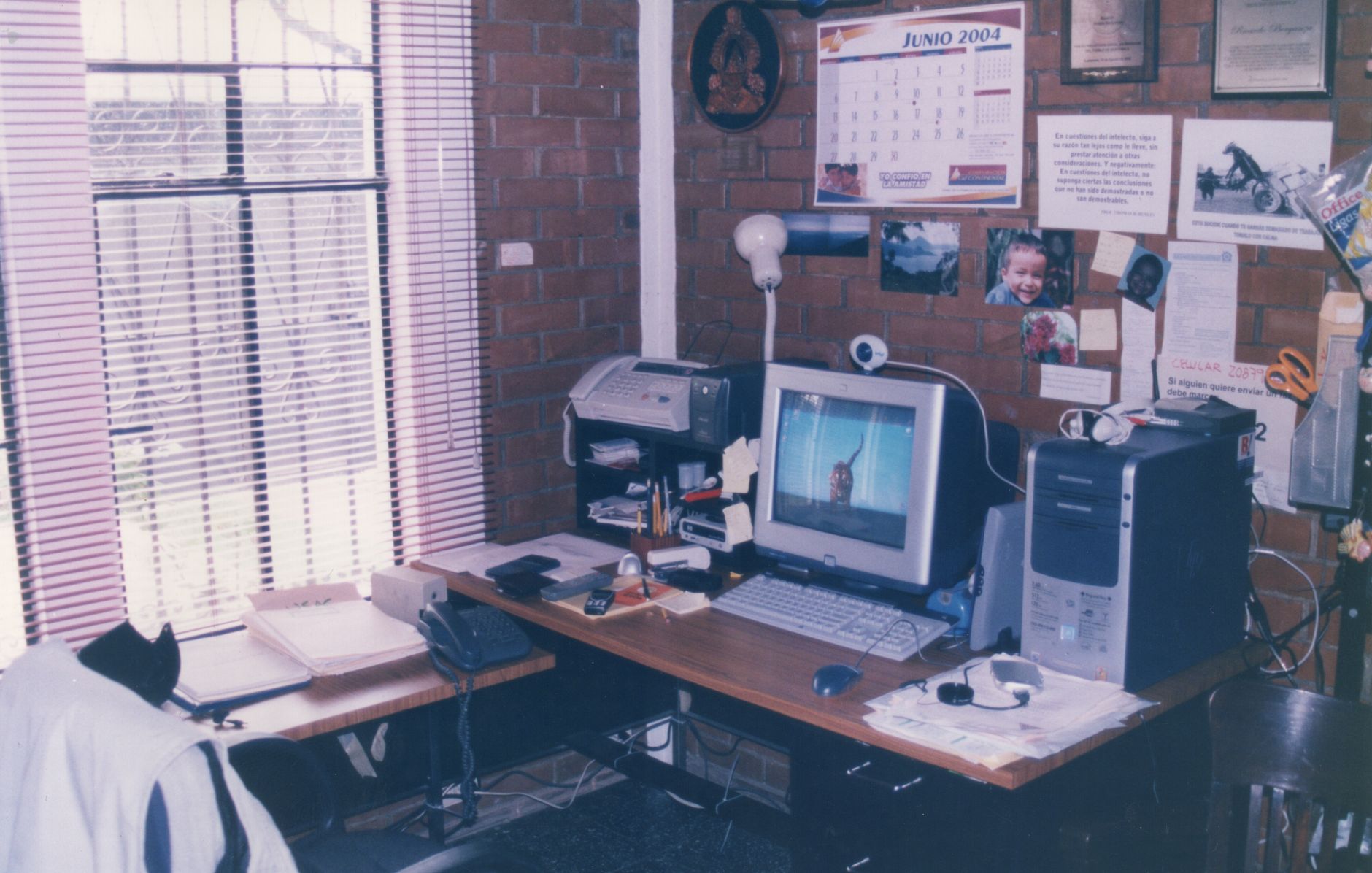
The fax machine has played a critical role in the advancement of communication technology. It has revolutionized how documents are transmitted over distances, establishing a bridge between written communication and electronic media. This article explores the history of the fax machine, its inventions, and the evolution of technology leading to its modern iterations.
By delving into its inception, the significant inventors involved, and the technological developments that enhanced its functionality, readers will gain a comprehensive understanding of when the fax machine was invented and how it has transformed over the years.
When Was the Fax Machine Invented?
The fax machine was invented in the early 19th century, specifically in 1843, by Scottish inventor Alexander Bain. Although its conceptual roots can be traced even further back, Bain’s work laid the foundation for future developments in fax technology.
Understanding the Origins of Fax Technology
The idea behind the fax machine dates back to the invention of the telegraph. The desire to send images rather than just text led to the development of various devices aimed at achieving this goal. While Bain is credited with the first successful fax machine, several other inventors contributed to its evolution over the years.
Early Concepts and Innovations
- Guillame-Benjamin-Amand Duchene (1850): Duchene developed a machine that could transmit drawings over a wire. His work relied on simpler mechanisms to replicate images sporadically.
- Elisha Gray (1876): Gray produced an improved fax machine capable of sending more detailed images, taking a step closer to modern concepts.
- Heinrich Hertz (1888): Hertz’s experimentation with electromagnetic waves further advanced the technology that would be integral to fax machine efficiency.
Alexander Bain and the First Successful Fax Machine
Alexander Bain’s creation in 1843 is often referred to as the world’s first fax machine. Bain designed a system that could transmit images using two small rotating metal cylinders, transferring a document’s images by synchronizing them with an electrical signal. This innovation marked a significant milestone in the development of long-distance communication.
Technological Advancements in Fax Machines
The original design by Bain had its limitations regarding transmission speed and image quality. However, several technological advancements occurred, which brought significant improvements to fax machines.
Vacuum Tube Innovations (1900-1920)
During the early 20th century, vacuum tube technology became a key component in communication devices. This advancement allowed for greater signal amplification, resulting in faster transmission speeds and improved image clarity. Several inventors, including Arthur Korn, made notable contributions during this time.
The First Commercial Fax Machine (1920)
In 1920, the first commercial fax machine was released by the American company, AT&T. It was developed using various technologies and facilitated the transmission of text and images over telephone lines. Though several manufacturers produced different models, these early fax machines still required extensive manual effort to operate.
Modern Fax Technology
The fax machine continued to evolve through the mid-20th century, with considerable improvements made in speed, image quality, and usability. The introduction of solid-state technology in fax machines allowed for more compact designs and improved functionality.
Facsimile Formats (1970s-1980s)
During the 1970s and 1980s, the facsimile transmission protocol began to standardize. Different formats, known as Group 2 and Group 3 fax machines, emerged as popular choices in offices across the globe.
Group 3 Fax Machines
The Group 3 fax machine, commonly known today, offered substantial improvements in transmission speed and efficiency. Operating at rates up to 14.4 Kbps, these devices were capable of sending full-page faxes in just seconds. This speed was unparalleled compared to earlier technologies and made faxing an essential tool in business communications.
Fax Machines and Digital Revolution
The creation of digital technology in the late 20th century further influenced fax machine design. Digital faxes, unlike analog counterparts, compacted the data for faster storage and transmission. Fax machines began to integrate with computer systems and networks.
Network and Internet Integration (1990s)
As businesses increasingly adopted personal computers, fax machines evolved to function with computer-based systems. The introduction of fax software and dedicated lines enabled businesses to send documents directly from their computers to fax machines. This development simplified the faxing process and reduced paper waste significantly.
The Rise of Internet Faxing
In recent years, internet faxing has become mainstream with the rise of cloud computing and accessibility to the digital ecosystem. By employing various email services and platforms, businesses can now send and receive faxes without the need for traditional fax machines.
Benefits of Internet Faxing
- Cost-Effective: Internet faxing is often cheaper, as it typically eliminates the requirement for physical equipment and dedicated phone lines.
- Paperless Communication: Internet faxing reduces paper use, promoting an environmentally friendly approach to document transmission.
- Accessibility: Users can send and receive faxes from anywhere with an internet connection, streamlining workflow processes.
The Future of Fax Machines
Though fax machines remain relevant, the advent of digital and cloud-based communication systems may herald their decline. However, industries like healthcare and legal services still rely on fax for transmitting sensitive documents due to regulatory compliance and security concerns.
Continued Importance of Fax in Certain Sectors
Despite the availability of digital alternatives, the use of fax in specific sectors persists due to its perceived reliability and security advantages. Documents containing sensitive information often retain a higher level of confidentiality when transmitted via fax.
Conclusion
The fax machine was invented in 1843 by Alexander Bain, paving the way for future innovations in communication technology. From its humble beginnings to the digital revolution and internet faxing, the journey of the fax machine highlights a significant facet of technological evolution. While its prevalence may have dwindled, the fax machine has carved a unique place within the timeline of communication technology.
To explore more about the evolution of communication technology, consider investigating related topics such as digital communication methods, cloud-based productivity tools, or the role of technology in business operations. There is a wealth of knowledge available that can enhance your understanding of how these developments impact our daily lives.