
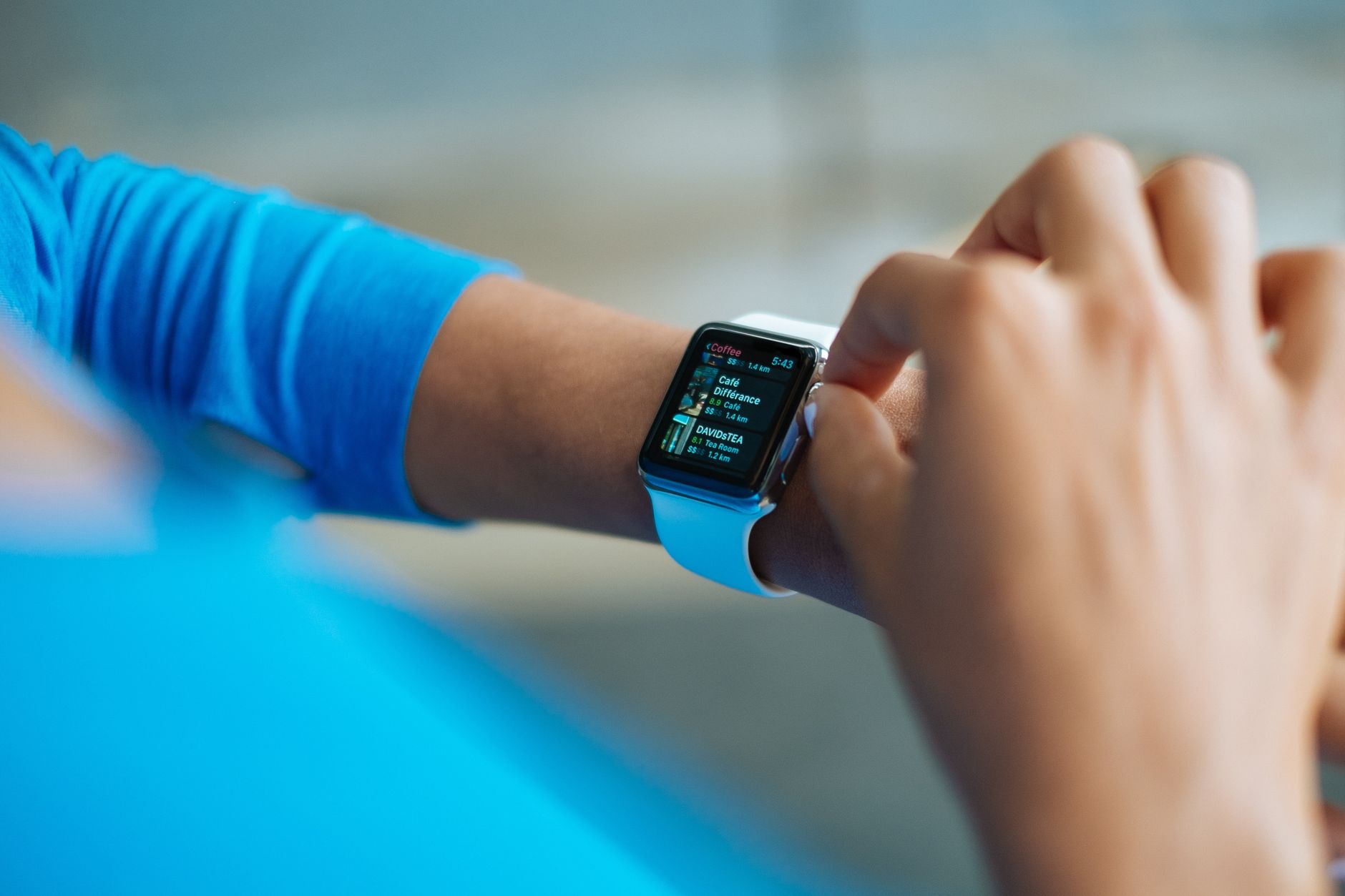
Smartwatches have transformed how we interact with technology by integrating the features of traditional watches with advanced capabilities. They allow users to manage everything from notifications to health metrics conveniently, directly from their wrists. This article will explain what a smartwatch is, how it works, and the features that set it apart from other devices.
By understanding smartwatches, you can determine if this innovative technology aligns with your lifestyle and needs. We’ll explore various aspects, including the hardware and software components, market trends, and practical applications.
What Is a Smartwatch?
A smartwatch is a wearable device that functions like a traditional watch while providing additional features similar to those of smartphones or fitness trackers. It connects to your mobile device via Bluetooth or Wi-Fi, allowing you to receive notifications, track fitness metrics, and access various applications.
How Does a Smartwatch Work?
The functionality of a smartwatch hinges on a combination of hardware and software. At its core, a smartwatch includes a processor, sensors, a battery, and a touchscreen display. Let’s examine each element in detail.
Hardware Components
- Processor: The processor (also known as the CPU) powers the smartwatch, enabling it to perform tasks and run applications efficiently.
- Sensors: Various sensors, such as accelerometers, heart rate monitors, and GPS, collect data about your physical activity and environment.
- Battery: Smartwatches use rechargeable batteries that vary in capacity, affecting how long the device can operate between charges.
- Display: Most smartwatches feature a touchscreen interface, allowing users to interact with applications and notifications.
- Connectivity Modules: Bluetooth and Wi-Fi modules enable the watch to connect to smartphones and the internet, offering extensive functionality.
Software & Operating Systems
Smartwatches run specialized operating systems that support apps and features. Common smartwatch platforms include:
- Wear OS: Developed by Google, Wear OS is designed for Android devices but compatible with some iOS functionalities.
- watchOS: Apple’s proprietary operating system for the Apple Watch, offering seamless integration with iOS devices.
- Tizen: Used in Samsung smartwatches, Tizen is a Linux-based OS that supports fitness tracking and various apps.
- Fitbit OS: Specifically designed for Fitbit devices focusing on health and fitness tracking.
Key Features of a Smartwatch
Smartwatches come equipped with a wide range of features, catering to various needs. The following are some of the most popular functionalities:
Notifications and Alerts
Smartwatches allow users to receive notifications for calls, messages, emails, and social media directly on their wrists. This feature ensures you stay connected without frequently checking your phone.
Fitness Tracking
Many smartwatches are equipped with sensors that monitor physical activity. Common fitness tracking features include:
- Step counting
- Heart rate monitors
- Calorie tracking
- GPS for tracking outdoor activities
- Sleep tracking
Health Monitoring
Smartwatches often include advanced health monitoring features, such as:
- ECG (Electrocardiogram) for heart health
- Blood oxygen saturation (SpO2) monitoring
- Stress level tracking
Music Control
Some smartwatches allow you to control music playback on your smartphone. Many devices even support offline music storage and playback, making it easier to enjoy music during workouts.
Apps and Customization
Smartwatches support a variety of third-party applications, allowing users to customize their experience according to their needs. Common app categories include:
- Fitness and health tracking
- Weather updates
- Navigation
- Productivity tools
Mobile Payments
Several smartwatches are equipped with NFC (Near Field Communication) technology, allowing users to make contactless payments using services like Apple Pay, Google Pay, or Samsung Pay.
Customization and Styles
One significant advantage of smartwatches is their customizable nature. Users can switch watch faces, change bands, and select different styles to match their personal aesthetics.
Common Types of Smartwatches
Smartwatches can generally be divided into two main categories: fitness-focused and traditional smartwatch companies. Each caters to different audiences and use cases.
Fitness-Focused Smartwatches
Brands like Fitbit and Garmin prominently focus on fitness tracking. These devices provide extensive health features such as:
- Advanced metrics for running, cycling, and swimming
- Guided workouts and training plans
- Deep sleep and REM sleep analysis
Traditional Smartwatches
Companies like Apple, Samsung, and Fossil produce traditional smartwatches with comprehensive features that extend beyond fitness. These include:
- Full smartphone capabilities
- Voice assistants (e.g., Siri, Google Assistant)
- Access to a myriad of apps and services
Choosing the Right Smartwatch
Selecting the best smartwatch involves considering several factors. Here are key points to keep in mind:
Compatibility
Ensure that the smartwatch you choose is compatible with your smartphone’s operating system. For example, while the Apple Watch pairs seamlessly with iPhones, it has limited functionality with Android devices.
Intended Use
Consider what you plan to use the smartwatch for. If fitness tracking is your priority, select a device that specializes in health metrics. However, if you seek a versatile companion for productivity and connectivity, opt for a traditional smartwatch.
Battery Life
Battery life varies by device. Fitness-focused smartwatches often have longer battery life than their feature-rich counterparts. Evaluate how often you’ll need to charge your device and select accordingly.
Features & Functionality
List the features that matter most to you. Whether you prioritize health monitoring, messaging, or apps, there’s a smartwatch designed to meet your specific needs.
Style & Design
Choose a smartwatch that matches your style and comfort. From rugged designs for outdoor activities to sleek options for formal settings, consider personal preference.
Pros and Cons of Smartwatches
Like any technology, smartwatches have their advantages and disadvantages. Let’s take a closer look at both sides.
Pros
- Convenience: Quick access to notifications and calls minimizes the need to check your phone frequently.
- Health Insights: Continuous monitoring provides valuable data on overall health and fitness.
- Customization: Users can personalize their watch and adapt it to their unique needs.
- Integration: Seamless connection with smartphones and other devices enhances the user experience.
Cons
- Battery Life: Some models may require frequent charging, which can be inconvenient.
- Dependency on Smartphones: Many smartwatches rely on connectivity with smartphones for full functionality.
- Cost: High-end models can be expensive, limiting accessibility for some consumers.
Common Troubleshooting Steps for Smartwatches
While using smartwatches, users may occasionally encounter issues. Here are common problems with straightforward troubleshooting tips:
Device Not Syncing
- Ensure Bluetooth is enabled on both the smartwatch and the paired smartphone.
- Restart both devices to refresh the connection.
- Check for software updates on both your smartphone and smartwatch.
- If issues persist, unpair the device and re-pair it after resetting.
Battery Draining Quickly
- Examine your settings for any background apps consuming excess power.
- Reduce the brightness and turn off features like GPS when not in use.
- Consider disabling notifications from apps that are not essential.
Display Not Responding
- Attempt a soft reset of the device by holding down the power button.
- If the issue continues, ensure the display is clean and free from any physical obstructions.
- Restore factory settings as a last resort; this will erase all data.
Your Privacy and Security with Smartwatches
As smartwatches collect various personal data, including health metrics and location, addressing privacy and security is essential. Consider the following:
Data Security
Ensure that the smartwatch you select prioritizes data encryption and secure communication between devices. Regularly check and update security settings.
App Permissions
Be mindful of the permissions requested by apps. Limit access to only the data necessary for the app’s function to enhance privacy.
Regular Software Updates
Keeping your smartwatch’s software current ensures vulnerabilities are patched and security features are optimized. Enable automatic updates where possible.
The Future of Smartwatches
The smartwatch industry is evolving rapidly, with ongoing innovations expected in areas like battery technology, health monitoring, and integration with other smart devices. Notable trends include:
- 5G Connectivity: Future smartwatches may leverage 5G technology for faster data transfer and improved performance.
- Improved Health Monitoring: Expanding features for chronic disease management and real-time health monitoring will be prevalent.
- Enhanced Integration: Expect deeper connectivity with smart home devices, making your smartwatch more central to your everyday life.
As smartwatches continue to evolve, users can expect more features that integrate seamlessly into their routines, making these devices not just accessories but essential tools for modern living.
Learn how to reset your Apple Watch or change its band for further customization tips. Moreover, explore more technology tutorials, explainers, comparisons, and troubleshooting guides to expand your knowledge in this exciting tech realm.