
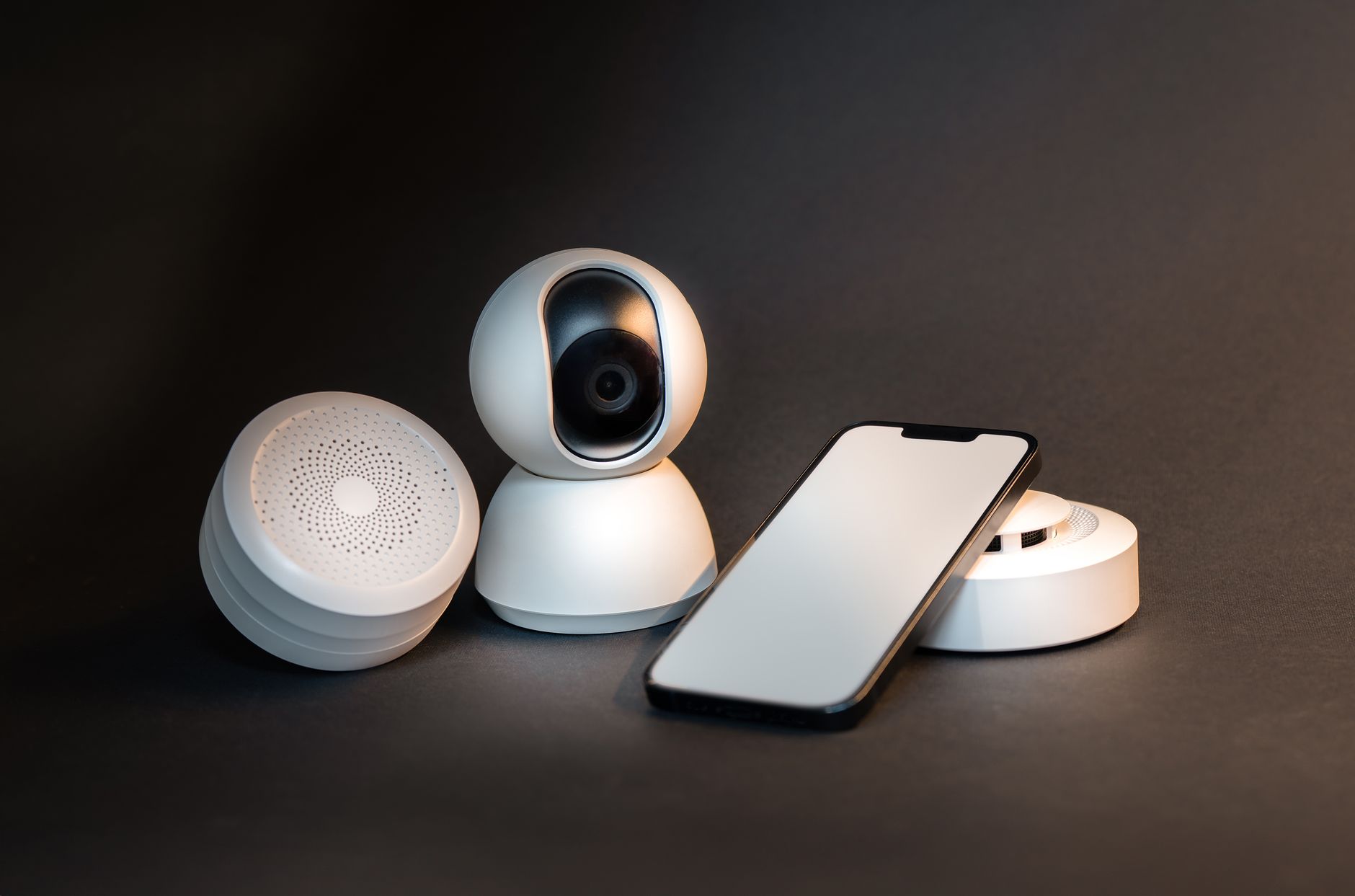
As the Internet of Things (IoT) continues to expand and integrate into our daily lives, we are increasingly surrounded by smart devices, from home assistants to wearable health trackers. While these devices offer convenience and efficiency, they also introduce a range of security and privacy risks that users should understand.
This article explores the various risks posed by IoT devices, examining potential vulnerabilities, implications for privacy, and practical ways to mitigate these threats. Understanding these challenges is crucial for protecting personal data and maintaining security in an interconnected world.
What Risks Do IoT Devices Pose?
IoT devices may expose users to several security and privacy risks, including unauthorized access, data breaches, and even physical security threats. The interconnected nature of IoT makes these devices attractive targets for cybercriminals.
Vulnerabilities in IoT Devices
The underlying architecture of IoT devices often contains inherent vulnerabilities that can be exploited. Key vulnerabilities include:
- Weak Authentication: Many IoT devices use default passwords or have insufficient security protocols for user authentication, making it easy for hackers to gain access.
- Lack of Encryption: Devices that do not encrypt data can allow hackers to intercept sensitive information during transmission.
- Insecure Interfaces: Web and mobile interfaces often lack sufficient security protections, leaving them open to manipulation.
- Firmware Vulnerabilities: Outdated or unpatched firmware can harbor security flaws that are exploited by attackers.
- Insecure Cloud Infrastructure: Many IoT devices rely on cloud services for operation. If these services are compromised, individual devices linked to them can be at risk.
Case Study: Mirai Botnet
The Mirai Botnet is one of the most notorious examples of IoT vulnerabilities. In 2016, it was used to create a large-scale distributed denial-of-service (DDoS) attack by exploiting insecure IoT devices such as webcams and routers. This incident highlights how unsecured devices can be harnessed for cybercriminal activities.
Privacy Concerns with IoT Devices
Beyond security vulnerabilities, IoT devices present significant privacy risks. The collection and transmission of personal data can lead to misuse or unauthorized access. Key privacy concerns include:
- Data Collection: Many devices collect vast amounts of data, including location, usage patterns, and personal preferences, often without users’ explicit consent.
- Data Sharing: Data collected by IoT devices may be shared with third parties or sold to advertisers, diminishing user privacy.
- Surveillance: Devices like smart cameras and voice assistants can inadvertently monitor users’ activities and conversations, creating potential breaches of privacy.
Lack of Transparency
Many manufacturers do not clearly disclose data collection practices or the specific usage of personal data, leaving consumers unaware of how their information is handled.
Implications for Security and Privacy
The implications of using IoT devices extend beyond personal inconvenience. The risks to organizations and individuals include:
- Financial Loss: Data breaches often lead to significant financial losses due to fraud, legal liabilities, and remediation costs.
- Identity Theft: Personal data captured by IoT devices can be used to impersonate individuals, leading to identity theft.
- Reputation Damage: Institutions that suffer breaches can face reputational harm, affecting customer trust and loyalty.
Mitigating Risks Associated with IoT Devices
While the risks posed by IoT devices are significant, there are steps users can take to mitigate these threats:
- Change Default Credentials: Always change default passwords and usernames for IoT devices to more secure ones.
- Use Strong Authentication: Implement two-factor authentication (2FA) where possible for an extra layer of security.
- Regularly Update Firmware: Keep device firmware up to date to protect against known vulnerabilities.
- Network Segmentation: Consider placing IoT devices on a separate network to limit access to personal devices and sensitive information.
- Enable Encryption: Use devices that support encryption for data transmission.
Choosing Secure Devices
When purchasing IoT devices, consider those that prioritize security features, offer regular updates, and have a good reputation for device management.
The Role of Manufacturers in IoT Security
Manufacturers also play a crucial role in bolstering security for IoT devices. They should:
- Implement Security by Design: Integrate security features from the outset of device development, rather than adding them as an afterthought.
- Provide Transparent Policies: Clearly outline data usage policies and allow users to control data collection settings.
- Encourage Responsiveness: Actively address vulnerabilities and provide users with updates, patches, and support.
The Future of IoT Security
As IoT technology continues to evolve, so do the threats. Future developments may include:
- Artificial Intelligence (AI): AI can enhance IoT security by enabling threat detection, anomaly identification, and automated responses to potential breaches.
- Blockchain Technology: Blockchain can provide decentralized security, improving device trustworthiness and minimizing data manipulation occurrences.
- Standardization: Establishing industry-wide security standards can help mitigate vulnerabilities across various devices.
Conclusion
The Internet of Things presents both exciting opportunities and significant risks. While IoT devices increase convenience and connectivity, they also pose serious security and privacy threats. By recognizing these risks and taking proactive measures, users can better safeguard their information and devices in this increasingly connected environment.
For more information on smart technology and security considerations, explore our articles on smart plugs and firewalls.