
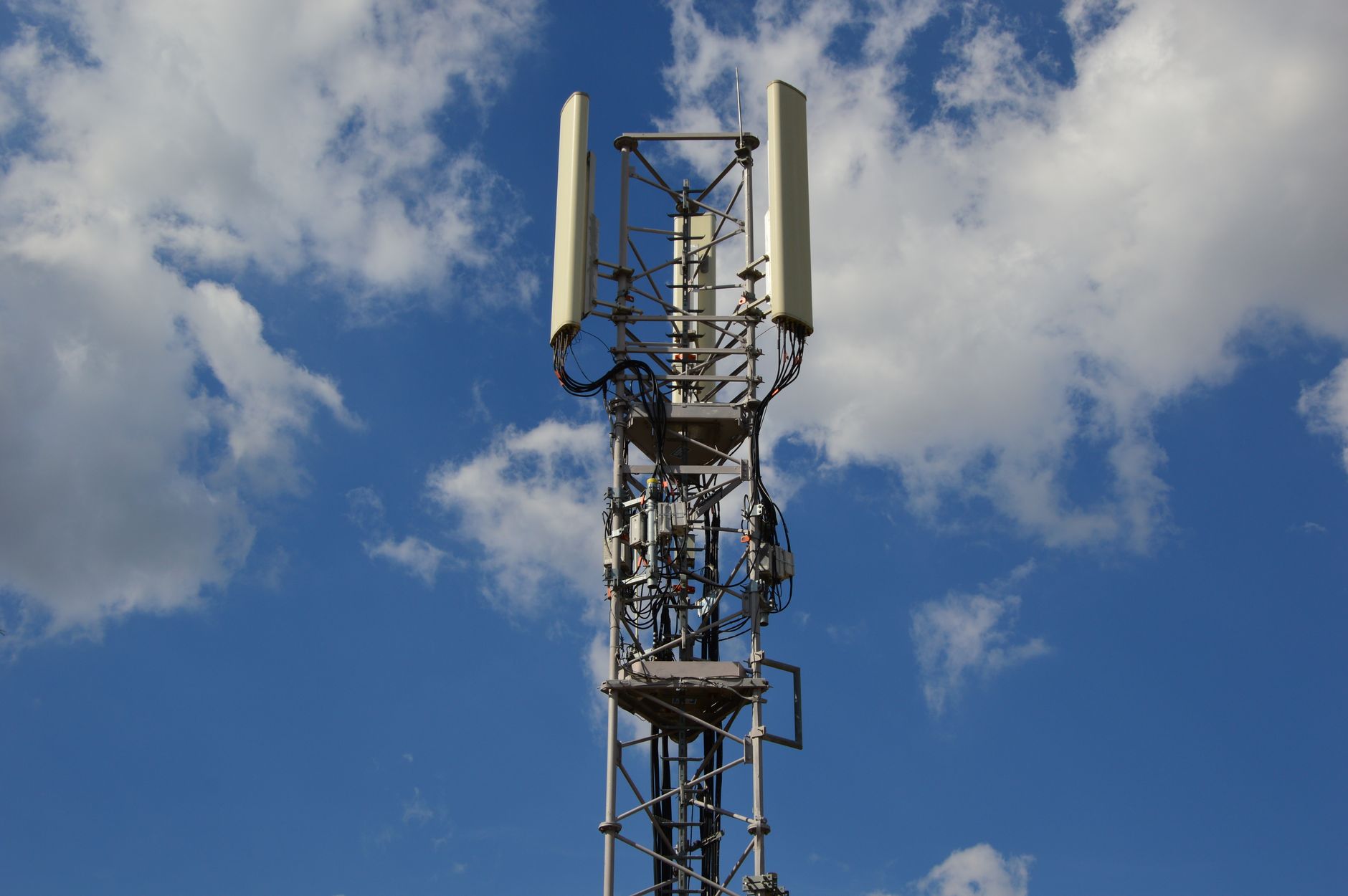
As the rollout of 5G technology continues to expand, a variety of terms have emerged to describe different aspects of this advanced mobile network. One of these terms, “5G UW,” is increasingly seen on modern devices. Understanding what 5G UW means and how it functions can greatly enhance your mobile experience.
This article will delve into the meaning of 5G UW, compare it with related terms like 5G UC, and explain how it impacts smartphone users. Additionally, we’ll explore the benefits, features, and the technological infrastructure that makes 5G UW possible.
What Does 5G UW Mean?
5G UW stands for 5G Ultra Wideband. It refers to a specific type of 5G technology that utilizes high-frequency bands (specifically mmWave) to provide extremely fast data speeds and low latency. Essentially, 5G UW offers a superior mobile internet experience compared to older generations of cellular technology.
Key Features of 5G UW
5G UW technology comes with several standout features that differentiate it from other mobile network technologies:
- Increased Speed: Users can experience download speeds that are significantly faster than 4G LTE, often exceeding 1 Gbps.
- Low Latency: The latency is reduced to as low as 1 millisecond, allowing smoother performance for applications requiring real-time interaction.
- High Capacity: 5G UW can handle a larger number of simultaneous connections, making it suitable for densely populated areas.
- Enhanced Coverage: While 5G UW has limited range compared to other 5G types, its implementation is growing to provide better coverage in urban areas.
5G UW vs. 5G UC
To better understand 5G UW, it helps to compare it with another term you may encounter: 5G UC (5G Ultra Capacity).
5G UW specifically refers to the mmWave technology, while 5G UC encompasses a broader spectrum, which includes mid-band frequencies also. Mid-band frequencies provide a balance between speed and coverage, offering decent performance even in suburban and rural areas. Essentially, while both enhance capacity and speed, 5G UW is more about blistering speed in urban settings, whereas 5G UC emphasizes a more versatile solution for varying geographic needs.
How 5G UW Works
Understanding how 5G UW works involves appreciating how it utilizes different frequency bands. Here is an overview of the critical components:
- Millimeter-Wave Bands: 5G UW uses high-frequency millimeter-wave bands. These bands can transfer data quickly but have a shorter range and are susceptible to interference from physical obstructions.
- Massive MIMO: Multiple Input Multiple Output (MIMO) technology uses multiple antennas to improve signal strength and data transmission efficiency.
- Beamforming: This technology allows signals to be directed in specific directions rather than being spread uniformly, thus enhancing the quality of the connection.
- Small Cells: 5G UW often relies on small cellular stations due to its limited range. These small cells are deployed to maintain strong coverage in urban areas.
Devices Supporting 5G UW
Since 5G UW requires specific hardware to support its high-frequency bands, not all devices are capable of harnessing its full potential. Here are some features to look for in a device to ensure it supports 5G UW:
- 5G Capable Modem: Ensure the device has a modem designed to handle both mmWave and sub-6GHz signals.
- Antenna Design: Many high-end smartphones come with advanced antenna configurations optimized for 5G frequencies.
- Software Compatibility: The operating system should be updated regularly to ensure the device can utilize the latest advancements in 5G networking.
Benefits of 5G UW
Adopting 5G UW technology can offer numerous benefits for users and industries:
- Improved Streaming: Higher speeds enable seamless streaming of high-definition video content, enhancing user experiences.
- Enhanced Gaming: Low latency ensures competitive gaming performs more smoothly, enhancing the overall experience for gamers.
- Smart Cities: With 5G UW, cities can implement smart technologies more efficiently, including traffic monitoring and public safety systems.
- Industrial Applications: Industries can leverage 5G UW for automation, data analysis, and remote control of machinery, driving productivity.
Challenges and Limitations of 5G UW
While the advantages of 5G UW are compelling, there are also challenges and limitations to consider:
- Limited Range: 5G UW signals have a shorter range and struggle to penetrate walls and other physical barriers, making it less practical for rural areas.
- Infrastructure Requirement: Deployment of 5G UW requires substantial investment in infrastructure, including additional small cells.
- Manufacturers’ Support: Not all devices support 5G UW, limiting user access to its benefits.
The Future of 5G UW
Looking ahead, the potential for 5G UW is enormous. Here are some anticipated developments:
- Wider Adoption: As manufacturers develop more devices equipped for 5G UW, its adoption will grow, particularly in urban centers.
- Network Expansion: Telecommunication companies are likely to continue investing in infrastructure to enhance 5G UW connectivity.
- New Applications: Emerging technologies such as augmented reality (AR) and virtual reality (VR) may leverage 5G UW for enhanced experiences.
How to Check Compatibility for 5G UW
If you are keen on upgrading your smartphone or device to enjoy 5G UW, here are the steps to check compatibility:
- Identify your device model: Check the packaging or manufacturer’s website to find the exact model number.
- Consult the specifications: Look for details regarding 5G support. Make sure it lists compatibility with mmWave frequencies.
- Check carrier support: Not all carriers offer mmWave services. Verify with your carrier to see if they provide 5G UW in your area.
- Software updates: Ensure your device is running the latest software. Manufacturers often release updates to enhance connectivity features.
What’s Next for 5G Technologies?
The evolution of mobile networks is rapidly transforming, with the introduction of 5G UW marking just one phase. The next phase is expected to focus on:
- Integration with AI: Enhancing user experience by integrating artificial intelligence for network management and optimization.
- Extended IoT Capability: As more devices come online, 5G UW will enable smart environments with significant device connectivity.
- Global Standards: Standardizing 5G technologies across borders to ensure compatibility and efficiency globally.
With increased awareness and adoption of 5G UW, consumers can expect improvements in mobile functionality and new applications that interface with their daily lives. Understanding how to leverage 5G UW will be essential to capitalize on the technology’s potential.
In summary, 5G UW stands for 5G Ultra Wideband and represents a faster, more robust form of mobile networking that can significantly enhance user experiences. By familiarizing yourself with its features, benefits, and limitations, you are better equipped to choose the right device and carrier, stay ahead of technological trends, and ultimately enjoy the advantages of this evolving technology.
For further exploration of 5G technologies and related mobile network terms, you might find our articles on what 5G UC means and understanding 5G UC quite helpful.