
Understanding the connection between artificial intelligence (AI) and water usage might not be intuitive at first glance. However, the demand for computational power behind AI applications significantly influences water consumption, primarily in the context of data centers. This article explores how AI indirectly uses water through cooling systems, energy production, and the environmental impact associated with these technologies.
As modern technologies advance, especially in AI, it’s essential to consider not only the energy consumption but also the water footprint involved in that process. This article will delve into the intersection of AI and water usage, particularly focusing on data centers, cooling mechanisms, and energy sources.
Does AI Use Water?
Yes, AI indirectly uses water primarily through data centers that house the hardware needed for processing. These facilities require cooling systems to maintain optimal operational temperatures and ensure efficiency. Additionally, the energy required to power data centers often involves processes that consume water.
The Role of Data Centers in AI Operations
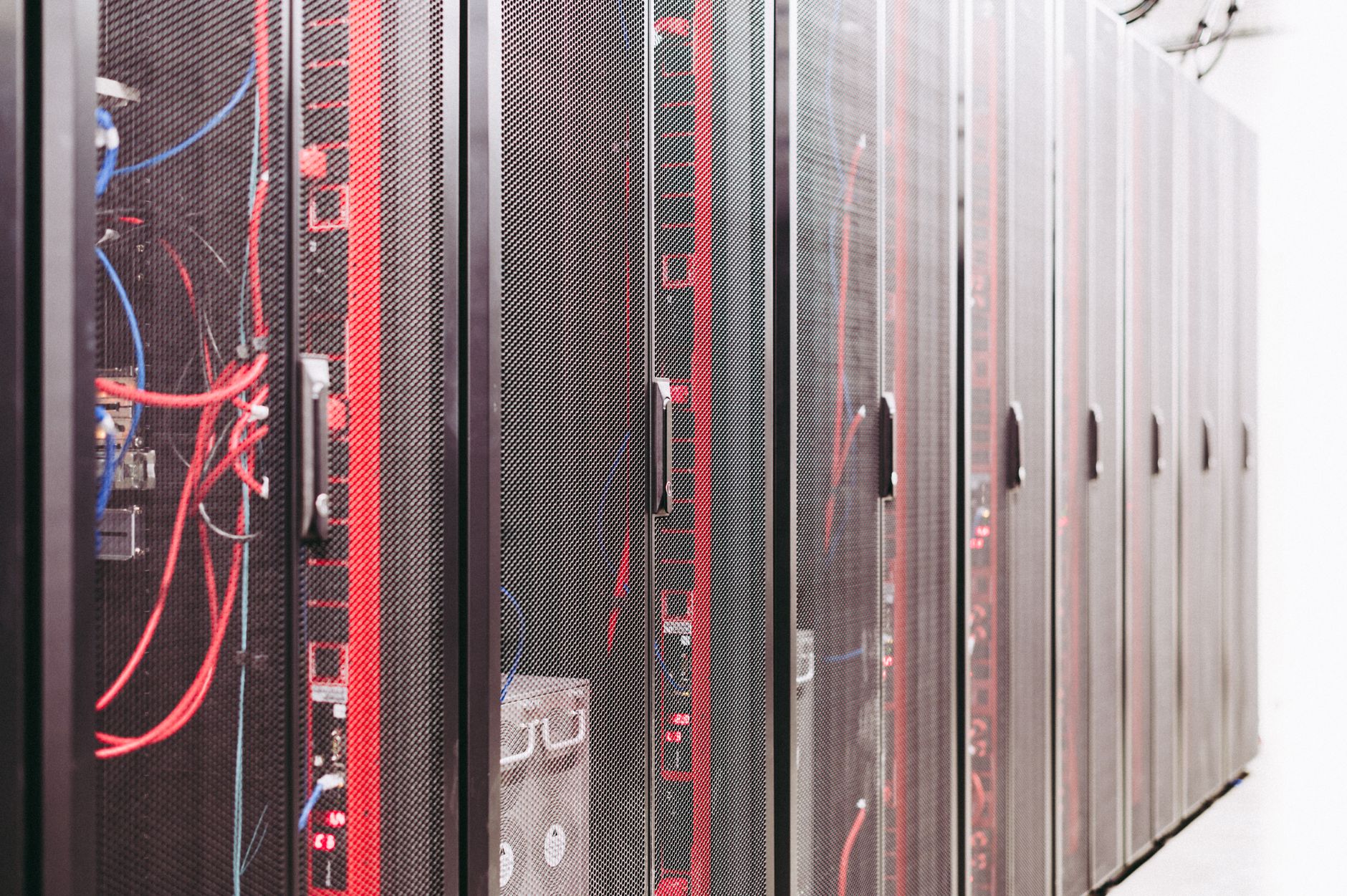
Data centers serve as the backbone for AI algorithms by providing the necessary storage and processing capabilities. They host servers that manage and analyze vast datasets used in machine learning, natural language processing, and other AI-driven applications. With the continuous growth in AI adoption, data centers are employing ever-increasing computational resources, which directly influences their water usage.
Growth of Data Centers
The proliferation of AI technologies across industries has led to a surge in data center construction. According to industry reports, the demand for data centers is expected to rise significantly, resulting in higher energy and water consumption. In fact, data centers are currently responsible for about 2% of global electricity use, a figure that is projected to increase with AI’s expansion.
Cooling Systems and Their Water Consumption
One of the critical challenges for data centers is managing the heat generated by densely packed servers. To ensure efficiency and prevent overheating, data centers employ cooling systems, which largely dictate their water usage.
Types of Cooling Systems
Data centers utilize various cooling methods, with water-based cooling systems being among the most common. The primary types include:
- Chilled Water Cooling: This system circulates chilled water through cooling coils or heat exchangers to absorb heat from server racks.
- Evaporative Cooling: This method uses the evaporation of water to cool air. Water is atomized and evaporated, removing heat in the process.
- Direct Liquid Cooling: In this approach, a liquid coolant flows directly over hardware components, efficiently removing heat.
Water Usage in Cooling Methods
Cooling systems, particularly those relying on water, can account for a substantial part of a data center’s water consumption. For example, some evaporative cooling systems can require significant amounts of water to function correctly:
- Chilled water systems may use between 10 to 30% of the total water in a data center.
- Evaporative cooling systems can consume even more water depending on climate conditions; they can use up to 50% of a data center’s overall water consumption.
- Direct liquid cooling systems, while efficient, also rely on water for their cooling capabilities.
Energy Production and Water Use
The electricity needed to power data centers often comes from sources that use significant amounts of water. Understanding the interplay between energy production and data center operations is vital for grasping AI’s overall water footprint.
Water-Intensive Energy Sources
Numerous energy production methods utilize substantial water resources, including:
- Thermal Power Plants: These plants, which include coal, natural gas, and nuclear fission, rely on large volumes of water for cooling and steam generation.
- Hydropower: Although renewable, generating power from water requires dams and the management of water flow, which reduces local water availability.
Implications for AI Operations
As the demand for AI increases, so does the demand for energy, which can lead to higher water consumption. Examining the water usage associated with energy production helps in understanding AI’s overall impact on water resources. For instance, some estimates indicate that for every megawatt-hour of electricity produced by fossil fuel power plants, around 400 gallons of water may be consumed.
Environmental Impact and Sustainability Considerations
With the evident relationship between AI and water usage, concerns arise regarding the sustainability of such technology in the long run. Recognizing the environmental impact of data centers will become increasingly critical.
Strategies for Reducing Water Usage
To address the water challenges posed by data centers, various strategies can be implemented:
- Water Recycling: Many data centers are beginning to adopt water reuse practices by recycling cooling water, thus reducing overall consumption.
- Optimized Cooling Systems: Utilizing advanced cooling technologies and systems management can enhance energy efficiency and reduce water usage.
- Location Optimization: Building data centers in cooler climates can reduce reliance on water-intensive cooling systems.
Regulatory and Corporate Initiatives
Regulatory bodies and corporate initiatives are addressing water consumption in AI through awareness and more stringent guidelines. Several tech giants are exploring more sustainable operations, aiming to reduce their ecological footprint. This focus includes evaluating their water footprint and committing to sustainable energy sources.
Future Developments in AI and Water Usage
As AI continues to evolve, so will its relationship with water resources. Innovations in both AI technology and cooling strategies are essential to minimize water usage in data centers while meeting the growing demands of AI.
Emerging Technologies
Advancements in AI-driven optimization can lead to better resource allocation across data centers. With cloud computing and virtualization technologies, AI can optimize server loads, minimizing energy and water use. Some future directions include:
- Machine Learning for Cooling Management: AI can be utilized to dynamically manage cooling systems based on demand, reducing excess water consumption.
- Using Renewable Energy Sources: Transitioning to more renewable energy sources reduces water usage associated with traditional energy production processes.
- Advanced Evaporative Technologies: Innovation in evaporative cooling systems can further enhance efficiency while reducing water needs.
Conclusion
AI does not use water in the traditional sense, but its operations heavily influence water consumption through data centers and energy production. Understanding this interplay highlights the need for sustainable practices in technology and energy management. Both industry leaders and policymakers must work toward reducing the environmental impact of AI by adopting water-efficient technologies and energy sources.
Further exploring topics like energy-efficient data centers, cloud computing sustainability, or optimizing data center operations can provide valuable insights into reducing the environmental footprint of AI and technology. For additional reading, consider looking into resources on sustainability in tech, energy-efficient IT infrastructure, or the role of cloud computing in minimizing resource use.