
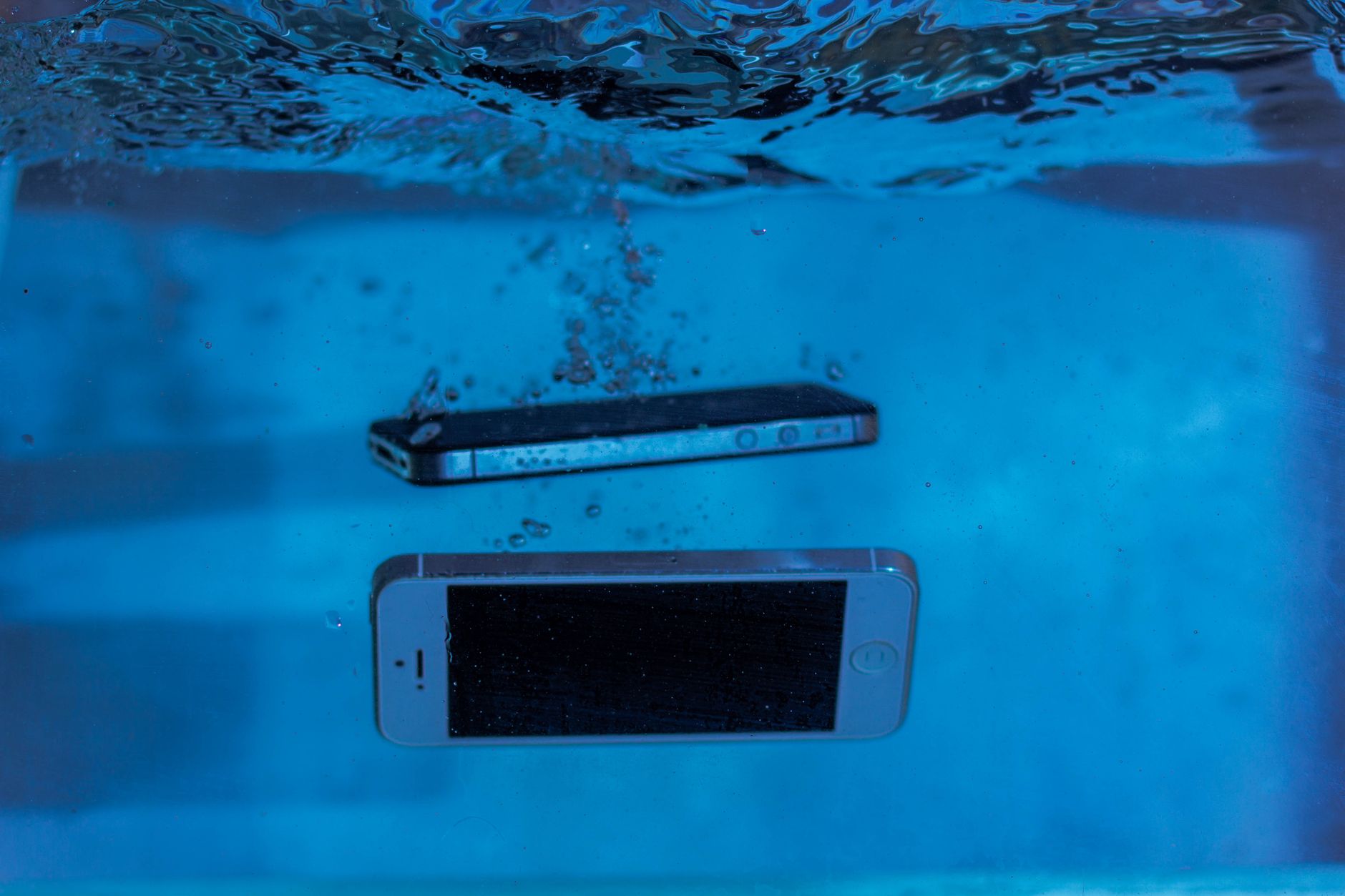
The iPhone 11, released in September 2019, has been a popular choice among smartphone users for its advanced features, impressive battery life, and camera capabilities. One question that often arises among potential buyers and current users is whether the iPhone 11 is waterproof. With the emphasis on water resistance in modern smartphones, understanding the specifications and limitations is key.
This article will explore the water ratings associated with the iPhone 11, how to care for your device, and what to do if you accidentally expose it to water. Let’s dive into the details to ensure that you can protect your investment and enjoy your iPhone 11 to the fullest.
Is the iPhone 11 Waterproof?
No, the iPhone 11 is not waterproof, but it does have a water resistance rating that allows it to withstand some exposure to water. Specifically, the device has an IP68 rating as per the Ingress Protection (IP) classification standard. This means that the iPhone 11 is designed to resist dust and can withstand being submerged in water up to 2 meters deep for up to 30 minutes.
While this rating offers considerable protection, it’s important to note that water resistance is not equivalent to being waterproof. The durability can diminish over time due to wear and tear, so caution is advised.
Understanding the IP68 Water Resistance Rating
To comprehend what an IP68 rating means, let’s break it down:
- IP: Stands for Ingress Protection.
- 6: Indicates the level of dust resistance, where 6 means it is completely dust-tight.
- 8: Specifies the water resistance; an 8 rating means it can handle submersion in water beyond 1 meter.
This rating implies that the iPhone 11 should be able to withstand common exposure to water, such as rain or spills. However, it is always advisable to avoid intentional contact with water whenever possible to ensure the longevity of the device.
What to Avoid to Maintain Water Resistance
While the iPhone 11 offers a robust water resistance feature, it is crucial to remember some factors that can compromise its seal over time:
- Avoid High-Pressure Water: Don’t expose your device to high-pressure water sources like showerheads or water slides, even if it is rated for some water protection.
- Don’t Submerge Beyond Recommended Depth: Although it can survive submersion for up to 30 minutes at a depth of 2 meters, going deeper or staying submerged longer could cause damage.
- Limit Exposure to Salt Water: The iPhone 11 is not designed for salt water activities like ocean swims. Salt can corrode seals and further damage the device.
- Be Cautious with Liquid Chemicals: Liquids like soaps, detergents, and oils can degrade the water resistance features of the iPhone over time.
Tips for Caring for Your iPhone 11
To maintain the water resistance features of your iPhone 11, here are some care tips:
- Use a Case: Consider using a high-quality water-resistant case that fits well for extra protection.
- Regularly Clean Ports: Keep the charging and speaker ports free from dust and debris by cleaning them gently with a soft, dry brush or cloth.
- Avoid Extreme Temperatures: Do not expose the device to extreme heat or cold, as these conditions can damage the water-resistant seals.
- Check for Physical Damage: Regularly inspect your device for cracks or chips that could impair its water resistance.
What to Do if Your iPhone 11 Gets Wet
If your iPhone 11 happens to come into contact with water, follow these steps to mitigate potential damage:
- Turn Off the Device: Power off your iPhone to prevent short circuits.
- Wipe it Dry: Use a soft, lint-free cloth to gently wipe away any water droplets on the surface of the device.
- Remove Cases and SIM Card: Take off any cases and remove the SIM card tray, as this can help with drying.
- Let it Air Dry: Place the iPhone in a well-ventilated area to air dry. Avoid using hair dryers or different heat sources.
- Do Not Charge: Hold off on charging the device until you are confident that it is completely dry.
- Wait it Out: If it seems to be functioning normally after a day or two, try powering it back on. If not, consult a professional.
Common Issues Related to Water Damage
Even with an IP68 rating, there are common issues that users may face if their iPhone 11 sustains water exposure:
- Moisture Under the Screen: Water can condense and get trapped under the display, causing visibility issues.
- Speaker Damage: Water exposure may impair sound quality due to wet speakers or microphones.
- Circuit Board Damage: Prolonged exposure to moisture can lead to corrosion on internal components.
- Battery Issues: Water can interfere with the battery’s performance, resulting in poor battery life or charging problems.
Restoring Your Device After Water Damage
If your iPhone 11 has suffered from potential water damage, consider the following solutions:
- Drying Agents: Some users opt for silica gel packets to absorb moisture if the device is not functioning properly.
- Professional Repair: If the device does not operate normally after air drying, consulting an Apple authorized service provider is highly recommended.
- Warranty Considerations: Check the warranty terms; accidental water exposure typically is not covered under standard warranties.
Alternatives to the iPhone 11
If water resistance is a major factor for you, other smartphones also offer robust water protection. Here are a few alternatives to consider:
- Samsung Galaxy S20: With an IP68 rating, it provides excellent water and dust resistance and top-notch camera features.
- Google Pixel 5: This device also carries an IP68 rating, offering great water resistance and camera performance.
- OnePlus 8 Pro: Boasts a solid build with an IP68 rating, ensuring that it withstands water exposure effectively.
Conclusion
The iPhone 11 boasts impressive water resistance with an IP68 rating, allowing it to withstand submersion in water under specific conditions. Although it offers good protection against water and dust, it is not fully waterproof, so users should still exercise caution. Proper care and handling are essential to maintain its water resistance features and prevent damage.
As a next step, explore options for a protective case or some drying techniques if you accidentally expose your iPhone 11 to water. Additionally, you might be interested in learning more about when the iPhone 11 was released and what haptics on iPhone are.
For more detailed guides and tutorials, feel free to check out our articles on when did the iPhone 11 come out and what haptics on iPhone are.