
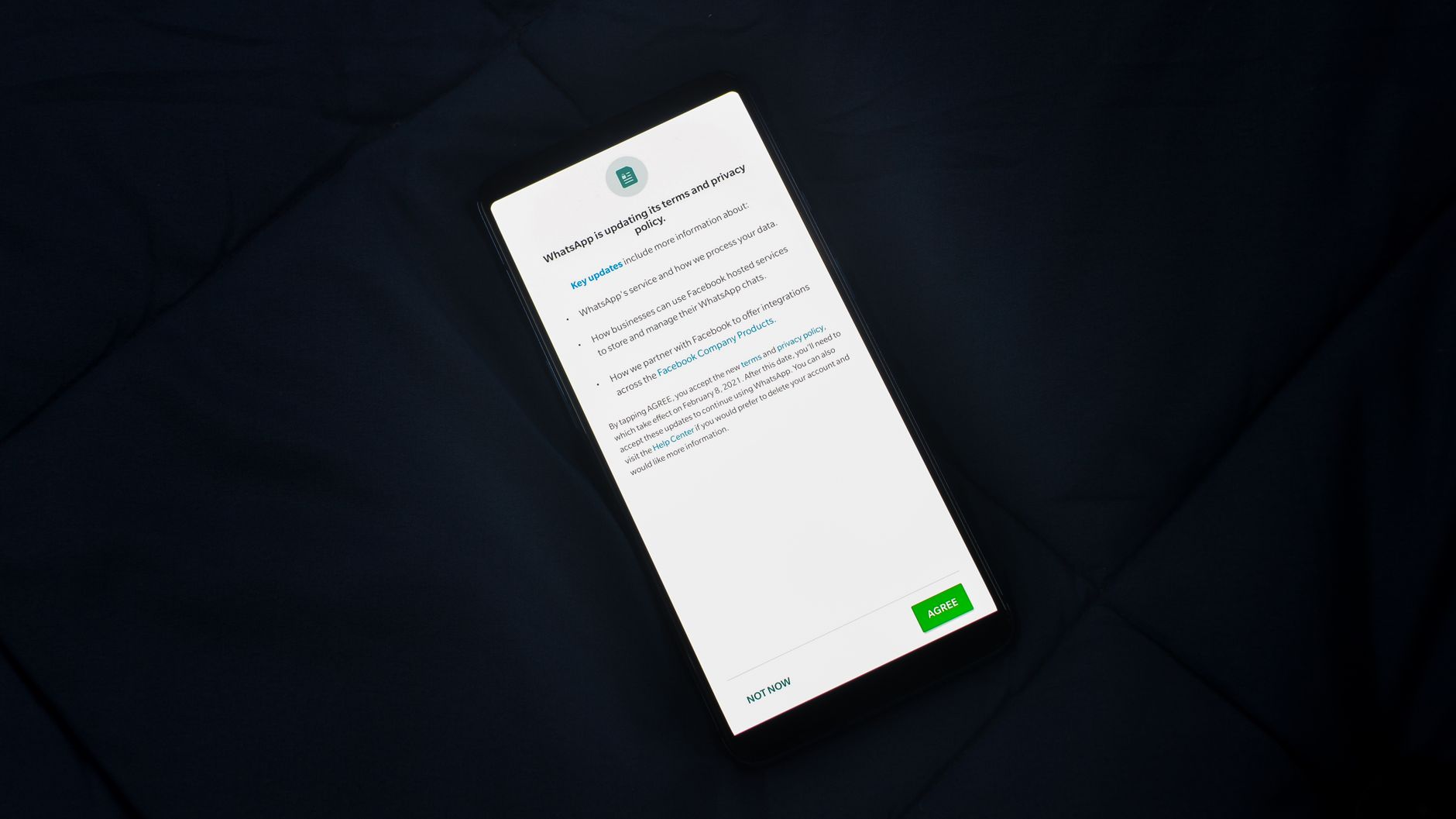
As one of the most popular social media platforms today, TikTok is having a major impact on how users create and consume content. With its engaging features and unique format, many users are curious about its safety in terms of privacy, security, and overall well-being. This article delves into the essential aspects of TikTok, including its features, benefits, risks, and limitations, helping you make an informed decision about using the app.
Let’s explore whether TikTok is safe by examining its functionalities, the potential dangers it poses to users, and the steps you can take to protect yourself while enjoying the platform.
Is TikTok Safe?
Yes, TikTok can be considered safe to use, but it involves various factors that determine how securely a user can operate on the platform. Users should be aware of privacy settings, content moderation, and the implications of data collection practices. Understanding the benefits and risks is critical to using TikTok safely.
Overview of TikTok Features
TikTok offers a variety of features that contribute to its popularity:
- Short Videos: Users can create and share videos ranging from 15 seconds to 3 minutes, which encourages quick and entertaining content consumption.
- Editing Tools: The app provides a range of editing tools, filters, and effects that allow users to enhance their videos creatively.
- Challenges and Trends: Users can participate in trending challenges and hashtags that drive engagement among the TikTok community.
- Algorithm-Driven Feed: TikTok’s recommendation algorithm curates a personalized feed for each user based on their interests and interactions, helping content reach the appropriate audience.
- Live Streaming: Users meeting the minimum follower requirement can broadcast live, allowing real-time interaction with viewers.
- Duets and Collaborations: Users can create duet videos with others, fostering collaboration and creativity.
Benefits of Using TikTok
There are several benefits to using TikTok that can enhance your interactive and entertainment experience:
- Creative Expression: TikTok empowers users to express their creativity through various formats, from dance and music to storytelling.
- Diverse Content: Users can discover a wide array of content, catering to various interests and preferences, including education, comedy, travel, and cooking.
- Networking Opportunities: The platform allows users to connect with like-minded individuals, fostering community and collaboration.
- Learning Resources: Many educational creators share informative content, giving users access to learning materials in an engaging format.
- Global Reach: TikTok allows creators to reach a global audience, offering immense exposure for aspiring influencers and businesses.
Risks of Using TikTok
Despite its advantages, TikTok is not without risks. Being vigilant about them can significantly enhance your online safety:
1. Privacy Concerns
One of the most pressing concerns regarding TikTok is its data collection practices.
- Data Sharing: TikTok collects a variety of user data, including location, device specifications, and usage behavior. This data may be shared with third parties, raising concerns about privacy.
- Data Storage: TikTok’s data may be stored in various locations, including countries with different data protection laws. This raises the question of where your information is held and how securely it is protected.
2. Inappropriate Content
While TikTok provides a platform for creative expression, it can also expose users to inappropriate content, including harassment and explicit material.
- Content Moderation: Although TikTok has implemented content moderation systems, inappropriate content may still slip through, putting younger users at risk.
- Trend Pressure: Users may feel pressured to engage in dangerous trends or challenges, which could lead to physical or emotional harm.
3. Cyberbullying
As with many social media platforms, cyberbullying can occur on TikTok, affecting users’ mental health.
- Harassment: Users may receive negative comments or messages, leading to feelings of isolation, anxiety, or depression.
- Identity Issues: Young users may feel pressured to conform to certain standards, affecting their self-esteem and self-image.
4. Addiction and Time Management Issues
TikTok’s endless content can lead to excessive screen time, impacting daily responsibilities and overall well-being.
- Distraction: Users may find themselves spending more time on the app than intended, which can interfere with work, studies, or personal relationships.
- Sleep Disruption: Late-night scrolling can disrupt sleep patterns, leading to fatigue and diminished productivity.
Limitations of TikTok
While TikTok is a powerful platform, there are limitations that users should consider:
- Aging User Base: While it initially attracted younger audiences, TikTok is seeing a diversification in age. However, some may feel that the platform’s focus is still primarily on a younger demographic.
- Content Ownership Issues: Users may have concerns regarding ownership of their content, as agreeing to the terms of service may grant TikTok certain rights over videos created.
- Potential for Misuse: The platform’s features can be misused, leading to unintended consequences. Videos can become viral for reasons beyond user control, such as being taken out of context.
How to Use TikTok Safely
Recovering from the risks, the following strategies can help you use TikTok safely:
1. Adjust Privacy Settings
Ensure your account privacy settings limit audience access to your content:
- Open the TikTok app and go to your profile.
- Tap the three dots (or lines) in the upper right corner to access settings.
- Select “Privacy.”
- Set your account to “Private” to restrict who can view your content.
2. Restrict Comments and Messages
Protect yourself from harassment by moderating interactions:
- Access your privacy settings.
- Adjust the comment settings to limit who can comment on your videos.
- Control who can send you direct messages, allowing only friends or followers.
3. Be Cautious with Personal Information
Limit sharing personal details in your bio and videos:
- Avoid disclosing sensitive information such as your address, phone number, or school.
- Maintain an ambiguous profile that doesn’t reveal too much about your identity.
4. Report Inappropriate Content
If you encounter bullying, harassment, or inappropriate content, it is essential to report it:
- Tap on the video that you find offensive.
- Click on the “Share” button.
- Select “Report” and follow the prompts to flag the content.
5. Set Time Limits
Establish boundaries regarding your usage to promote a healthier relationship with the app:
- Use the app’s “Screen Time Management” tool to help set limits.
- Schedule breaks to prevent excessive use and maintain a balanced lifestyle.
6. Educate Yourself and Others
Staying informed about digital safety and cybersecurity will help improve awareness:
- Learn about current digital threats and safe online practices.
- Discuss online safety with friends and family, especially if they are younger users.
Conclusion
In summary, TikTok can be a safe platform when users remain proactive about their privacy and personal safety. By being aware of the platform’s risks and limitations, adjusting settings for privacy, and practicing digital hygiene, users can enjoy the many creative benefits TikTok offers while safeguarding their well-being.
For further reading on improving your online safety, consider exploring topics like VPN vs Proxy and learn about encryption methods with End-to-End Encryption.