
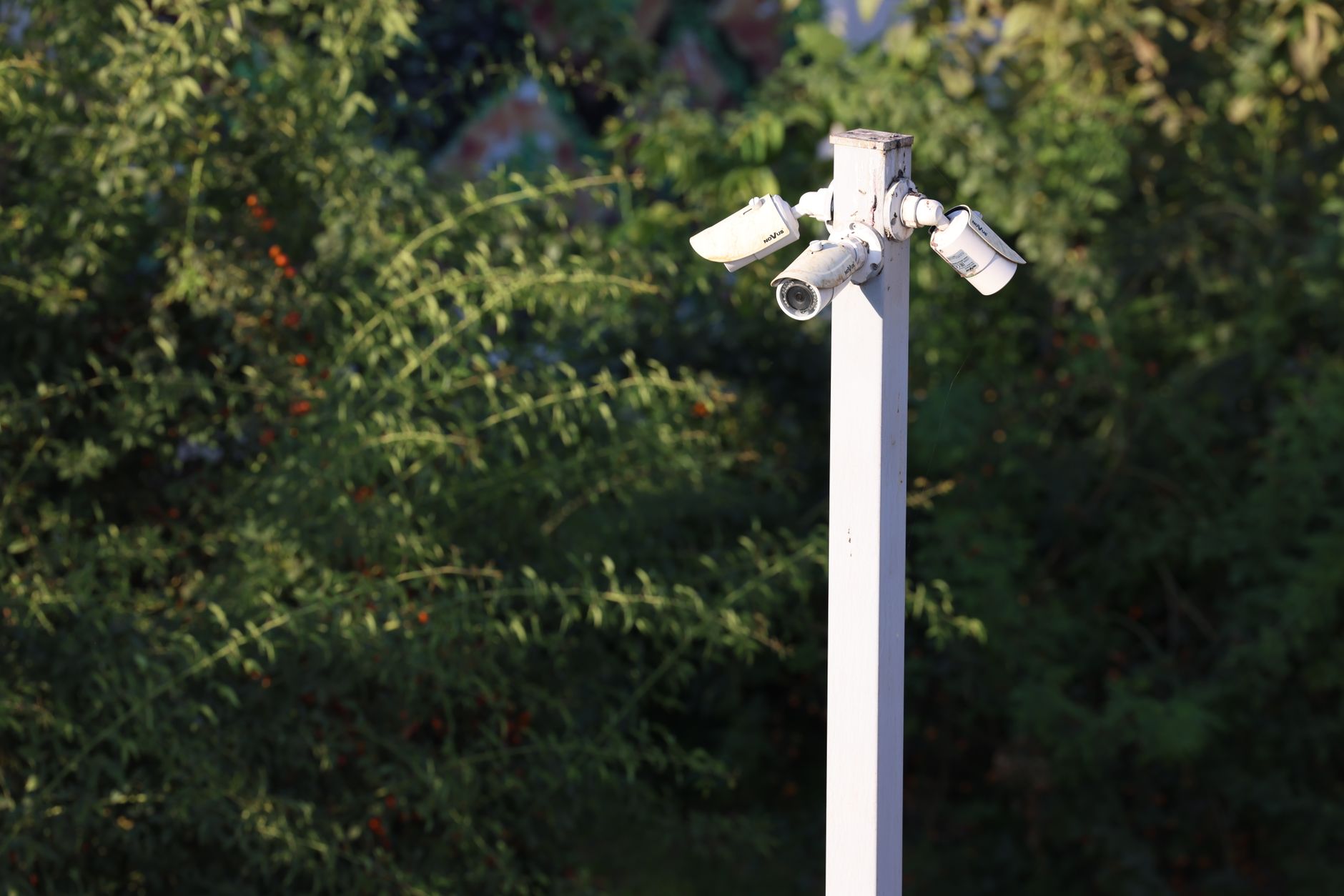
CCTV, or Closed-Circuit Television, has become a vital component of security management across various sectors, including residential, commercial, and public spaces. Understanding its components, functionalities, and applications is crucial in an era where surveillance is increasingly important for safety and crime prevention.
In this article, we will explore what CCTV entails, including its types, installation processes, recording mechanisms, and monitoring strategies. We will also cover some of the latest advancements in related technologies, which can enhance the effectiveness of CCTV systems.
What Does CCTV Stand For?
CCTV stands for Closed-Circuit Television. Unlike broadcast television, where signals are sent to the general public, CCTV transmits video signals to specific locations or devices, making it a controlled and secure method of monitoring activities.
Components of a CCTV System
A comprehensive CCTV system includes several key components, which work together to monitor and record environments effectively. Understanding these components will aid you in making informed decisions when choosing or installing a CCTV system.
- Cameras: The primary element that captures video footage. Cameras can be analog or digital, with various features like high-definition video, low-light performance, and zoom capabilities.
- Recording Devices: These devices store the video footage collected by cameras. They can be Digital Video Recorders (DVR) for analog systems or Network Video Recorders (NVR) for IP-based systems.
- Monitors: Screens that display real-time video feeds from the cameras. Monitors can be standalone or integrated into a control system.
- Cables and Connectors: These transmit video signals from the cameras to the recording devices. Common types include coaxial cables for analog systems and Ethernet cables for IP systems.
- Power Supply: Every CCTV system requires power, which can be supplied through direct wiring, Power over Ethernet (PoE), or separate power adapters.
- Software: Management software helps in configuring security settings, accessing recorded footage, and managing multiple cameras efficiently.
Types of CCTV Cameras
CCTV cameras come in various forms, tailored to different needs and environments. Here are the most common types:
- Dome Cameras: Often used in retail and public places, they offer a discreet appearance and can capture a wide-angle view.
- Bullet Cameras: This type has a long, cylindrical shape and is suited for outdoor use due to its weather-resistant capabilities. They are often used to monitor entry points.
- PTZ Cameras: Short for Pan-Tilt-Zoom, these cameras can be remotely controlled to pan, tilt, and zoom in on specific areas, making them versatile for dynamic monitoring environments.
- Day/Night Cameras: Designed to provide clear images in various lighting conditions, these cameras can switch between color and grayscale modes depending on light availability.
- IP Cameras: Utilizing internet protocols, these digital cameras offer higher resolution and can record live footage that can be accessed remotely over a network.
Recording Mechanisms in CCTV Systems
The effectiveness of a CCTV system also depends on how it records video footage. Here are the primary recording methods:
Continuous Recording
Continuous recording captures video footage 24/7. This method is useful for environments needing constant surveillance, like banks or casinos, but it requires significant storage capacity.
Motion Detection Recording
Motion detection recording is a more efficient approach that only begins recording when movement is detected in the camera’s view. This saves storage space and allows for easier review of footage. Modern systems often utilize advanced motion detection algorithms for greater accuracy.
Scheduled Recording
Scheduled recording allows the user to set specific times for the CCTV system to record. This is particularly useful for businesses that want to monitor activity during working hours but may not need surveillance outside these hours.
Monitoring Strategies
Once installed, monitoring is crucial for ensuring effective security. There are several monitoring strategies to consider:
Live Monitoring
Live monitoring involves watching the video feeds in real time, allowing for immediate responses to any incidents. This is common in environments where security personnel oversee multiple cameras simultaneously.
Remote Monitoring
Many modern CCTV systems offer remote monitoring capabilities. Users can access live footage via smartphones or computers, enabling constant oversight even when away from the premises.
Cloud-Based Monitoring
Cloud-based monitoring has become increasingly popular, allowing users to store and access footage remotely via the cloud. This method provides greater flexibility and eliminates the need for physical storage devices.
Choosing the Right CCTV System
Selecting the appropriate CCTV system for your specific needs can be complex but essential for effective surveillance. Here are factors to consider when making a decision:
- Purpose: Determine what you want to achieve with the CCTV system, whether it’s theft prevention, monitoring staff, or ensuring customer safety.
- Location: Assess the area you want to cover, as certain cameras perform better in specific environments, such as outdoor placements versus indoor settings.
- Budget: Establishing a budget is crucial. Be mindful that both installation and ongoing operational costs, like storage and monitoring, can add to expenses.
- Quality and Resolution: Higher resolution cameras provide clearer images but may require more storage. Understand the balance between image quality and storage capacity.
- Technology: Consider whether you want a traditional analog system or a more advanced IP-based system, depending on your technological comfort level and needs.
Installation Process
Installing a CCTV system can range from a DIY project to a professional installation. Here’s a general outline of the process:
- Planning: Start with a site survey to identify ideal camera locations, ensuring thorough coverage while minimizing blind spots.
- Choosing Equipment: Based on your survey, select the appropriate cameras and recording devices that fit your needs.
- Installing Cameras: Mount the cameras securely, ensuring they are pointing in the desired direction and adjusting angles for optimal coverage.
- Wiring: If using cables, connect the cameras to the recording devices using appropriate cables. Ensure they are secured and hidden when necessary.
- Configuring System: Set up the recording device, adjust system settings such as resolution and motion detection, and create user accounts if multiple users will access the system.
- Testing: Test the entire system before finalizing the installation. Ensure every camera is functional and recording as expected.
Cybersecurity Considerations
Incorporating technology into security systems brings challenges, particularly in cybersecurity. Here are crucial cybersecurity practices to safeguard your CCTV systems:
- Strong Passwords: Change default passwords for all devices and use complex combinations that include letters, numbers, and special characters.
- Regular Firmware Updates: Stay updated with the latest firmware for all devices to patch vulnerabilities and enhance system stability.
- Secure Network: Utilize a separate network segment for your CCTV system, segregating it from general internet traffic. This helps minimize exposure to attacks.
- Use Encryption: When transmitting video feeds over the network, ensure they are encrypted to protect against eavesdropping.
- Monitor Access: Regularly check access logs for any unauthorized attempts to access the system.
Privacy Concerns
While CCTV systems play a vital role in ensuring safety, privacy concerns can arise. Here are essential aspects to consider:
- Legal Compliance: Familiarize yourself with local laws regarding surveillance and privacy to ensure your CCTV system complies with regulations.
- Signage: In many jurisdictions, it is required to post signs indicating that an area is under surveillance, which notifies individuals of the presence of cameras.
- Data Protection: Implement strict access controls regarding who can view recorded footage, safeguarding sensitive information.
Future of CCTV Technology
The landscape for CCTV technology is evolving rapidly, with several advancements enhancing their effectiveness:
- Artificial Intelligence: AI-powered analytics can improve motion detection, facial recognition, and anomaly detection, allowing for smarter surveillance systems.
- Integration with IoT: The Internet of Things (IoT) enables CCTV systems to integrate with other smart devices for comprehensive security solutions.
- Cloud Storage Solutions: Advancements in cloud storage provide better scalability and data accessibility compared to traditional on-premise storage solutions.
- 360-Degree Cameras: These offer panoramic views, ensuring complete spatial coverage without the need for multiple cameras.
- Enhanced Night Vision: Technological advancements in infrared and low-light cameras allow for clearer images even in total darkness.
Conclusion
CCTV systems are indispensable tools in modern security management, acting as deterrents against crime and providing peace of mind. By understanding the components, functionalities, and proper monitoring strategies, you can make informed decisions to protect your assets effectively.
As you consider implementing CCTV technology, remember to also stay updated on advancements in cybersecurity and privacy laws. These factors play a critical role in ensuring the success of your security measures.
For further information on related technology topics, explore our tutorials and guides on security systems, networking solutions, and cloud storage options.