
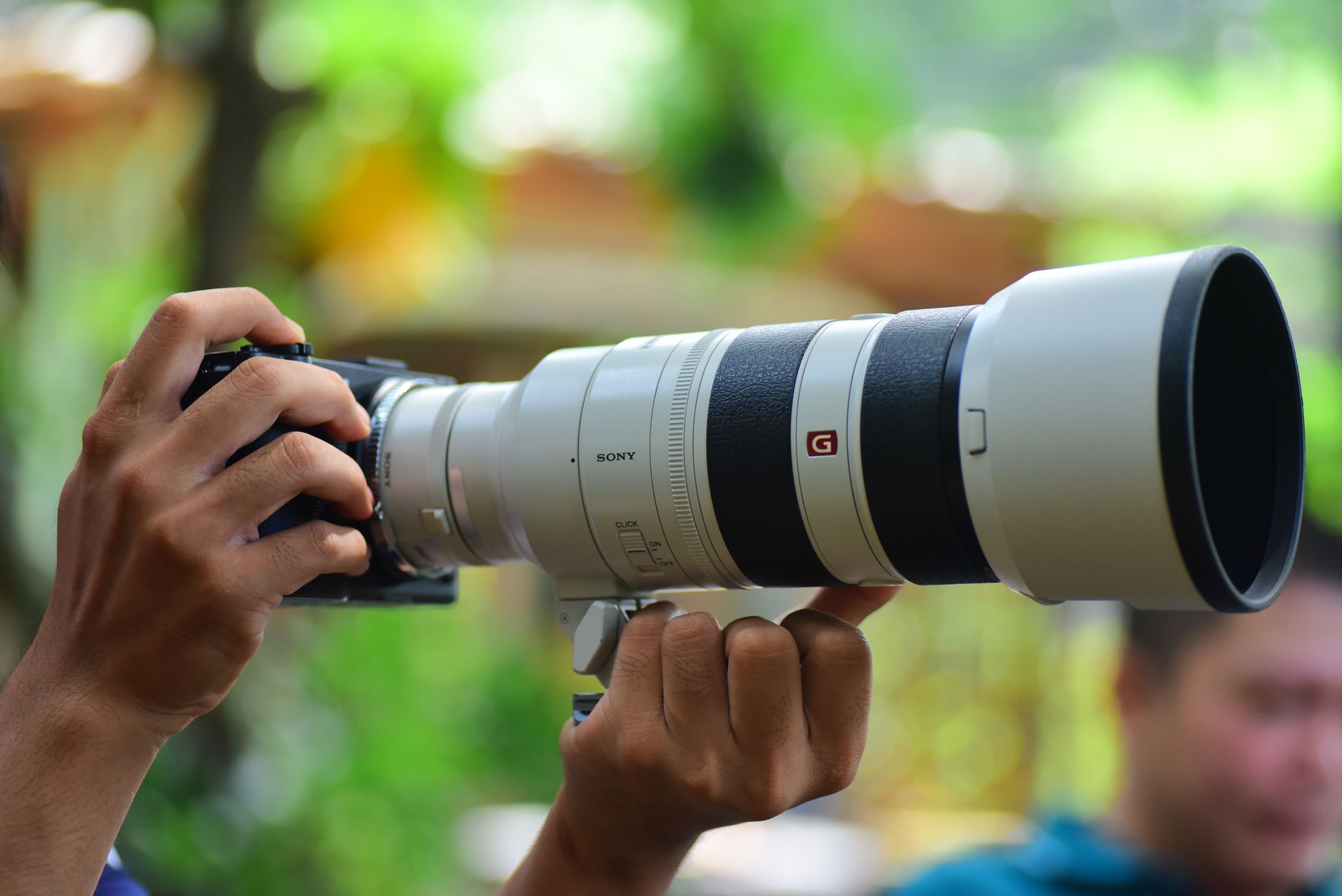
In the evolving landscape of photography and videography, the mirrorless camera has gained significant attention. Its rise has transformed the way enthusiasts and professionals approach image capture and quality. By blending the advantages of traditional DSLRs and compact cameras, mirrorless systems offer unique features that appeal to a broad audience.
This article provides an in-depth look at what a mirrorless camera is, how it functions, and why it is becoming a popular choice for both new and seasoned photographers.
What Is a Mirrorless Camera?
A mirrorless camera is a type of digital camera that uses an electronic viewfinder instead of an optical viewfinder. This difference is primarily due to the absence of the mirror mechanism that is standard in digital single-lens reflex (DSLR) cameras. The result is a more compact and lightweight design that offers enhanced functionality in terms of autofocus, shooting speed, and video capability.
Key Features of Mirrorless Cameras
- Compact Size: Without the need for a mirror box or optical viewfinder, mirrorless cameras are generally smaller and lighter than DSLRs.
- Electronic Viewfinder (EVF): Users can see real-time exposure and color adjustments through an electronic display.
- Faster Autofocus: Many mirrorless systems utilize advanced contrast-detection and phase-detection technologies, enabling quicker focus in various shooting conditions.
- Video Capabilities: Mirrorless cameras are often tailored for video recording, with many models offering 4K resolution and advanced video features.
- Interchangeable Lenses: Just like DSLRs, mirrorless cameras support a variety of lenses, allowing photographers to choose the most suitable option for their needs.
Advantages of Using Mirrorless Cameras
1. Size and Weight
One of the most notable advantages of mirrorless cameras is their compact nature. Photographers can carry these lightweight systems more comfortably, making them ideal for travel and street photography. The smaller body size often translates to less strain during long shooting sessions, allowing for spontaneous photography without the bulk of heavier gear.
2. Real-Time Exposure Preview
With an electronic viewfinder, photographers receive a real-time preview of their exposure settings, white balance, and depth of field. This feature helps in making crucial adjustments before the shutter is pressed, allowing for greater creative control over the final image.
3. Advanced Autofocus Systems
Modern mirrorless cameras are equipped with cutting-edge autofocus technologies. Many utilize on-sensor phase detection, enabling faster and more accurate focusing, particularly during continuous shooting. This performance is especially beneficial for capturing fast-moving subjects in various conditions, making mirrorless systems a top choice for wildlife and sports photographers.
4. Silent Shooting
Many mirrorless cameras offer a silent shooting mode that uses electronic shutter technology. This feature is especially useful in quiet environments, such as during live performances or when photographing sensitive subjects, where noise could disrupt the moment.
Image Quality in Mirrorless Cameras
Sensor Quality
At the heart of every camera lies its image sensor, which plays a foundational role in the quality of captured images. Most mirrorless cameras come equipped with APS-C or full-frame sensors, often comparable to their DSLR counterparts. This means that users can expect similar image quality, dynamic range, and low-light performance.
Lens Options
Mirrorless cameras support a variety of lenses that can significantly impact image quality. The availability of high-quality lenses has expanded since the introduction of mirrorless systems. Many manufacturers now offer dedicated lenses specifically designed for their mirrorless models, which often excel in sharpness, color rendering, and distortion control. When combined with an appropriate lens, a mirrorless camera can achieve exceptional image clarity and detail.
Post-Processing Flexibility
Image files produced by mirrorless cameras typically offer considerable flexibility for post-processing. Formats like RAW capture more data, enabling photographers to make extensive adjustments in software without seriously degrading image quality. This flexibility is crucial for professional work where editing plays an integral role in the final outcome.
Disadvantages of Mirrorless Cameras
1. Battery Life
One of the drawbacks of mirrorless systems is their often shorter battery life compared to DSLRs. Since electronic viewfinders and displays consume more power than optical systems, photographers may need to carry additional batteries for extended shoots. Monitoring battery levels and having spares on hand can help mitigate this issue.
2. Limited Lens Selection
While the number of available lenses for mirrorless systems is increasing, some older systems may still have fewer options compared to established DSLR lines. Those transitioning from a DSLR may need to consider which lenses are available for their chosen mirrorless system, especially if they have existing investment in a specific lens brand.
3. Autofocus Limitations in Low Light
Although many mirrorless cameras excel in autofocus performance, some lower-end models may struggle in low light conditions compared to higher-end DSLRs. Users often find that phase-detection systems perform better in dimly lit environments, making it essential to evaluate specific models based on intended use.
Mirrorless vs. DSLR: A Comparison
When considering a new camera, many enthusiasts debate whether to invest in a mirrorless camera or a DSLR. Understanding the key differences can aid in making an informed decision.
| Feature | Mirrorless Camera | DSLR |
|---|---|---|
| Weight and Size | Generally lighter and more compact | Typically bulkier due to mirror mechanism |
| Viewfinder Type | Electronic Viewfinder (EVF) | Optical Viewfinder (OVF) |
| Battery Life | Shorter battery life | Longer battery life |
| Autofocus Speed | Fast and versatile | Reliable but varies by model |
| Video Capability | Often superior features | Good, but may lag behind |
Choosing the Right Mirrorless Camera
1. Skill Level
Understanding your skill level is essential when selecting a mirrorless camera. Entry-level models typically provide ease of use with automatic settings, while advanced models offer manual controls and professional features. Considering where you stand in your photography journey can guide your decision effectively.
2. Purpose and Use
Consider your primary photography goals. Sports and wildlife photography may require fast autofocus and burst shooting capabilities, while portrait photographers may prioritize lens quality and low-light performance. Define your needs and select a model that aligns with your shooting style.
3. Budget
Set a clear budget that encompasses not just the camera body but also lenses, accessories, and potential upgrades. While it may be tempting to go for the latest model, weighing all components of your photography kit will lead to informed choices without breaking the bank.
4. Brand and System
The choice of brand can affect your selection of lenses and accessories. Popular brands like Canon, Sony, Nikon, and Fujifilm all offer robust mirrorless solutions. Researching specific models and reading reviews can help clarify which system suits your needs best.
Getting Started with a Mirrorless Camera
1. Familiarize Yourself with Controls
Once you acquire a mirrorless camera, take time to explore the controls and settings. Familiarity with the layout will streamline your shooting process, allowing you to focus on creativity instead of fumbling with buttons.
2. Experiment with Lens Options
Test various lenses to see how they affect your photography style. Different lenses create unique effects, so take advantage of opportunities to learn about focal lengths and apertures, especially if you have access to rental facilities.
3. Learn About Exposure Settings
Understanding how ISO, shutter speed, and aperture interact is crucial for capturing quality images. Mirrorless systems offer settings that can be adjusted manually to create various effects, so invest time in mastering these concepts.
4. Engage with the Community
Joining photography communities, both online and offline, can provide valuable insights and tips. Connecting with other photographers allows for sharing experiences and gaining knowledge about new techniques and settings specific to your mirrorless camera.
Conclusion
Mirrorless cameras have carved out a significant role in photography, appealing to various users due to their compact design, advanced technologies, and outstanding image quality. As the market evolves, understanding the core features and evaluating your needs will help guide you toward the right mirrorless camera solution.
If you’re considering a transition to mirrorless or are simply curious about camera technology, explore related tech tutorials and buying guides to expand your knowledge. Understanding technology trends can further enhance your photography experience and enable you to make informed decisions.