
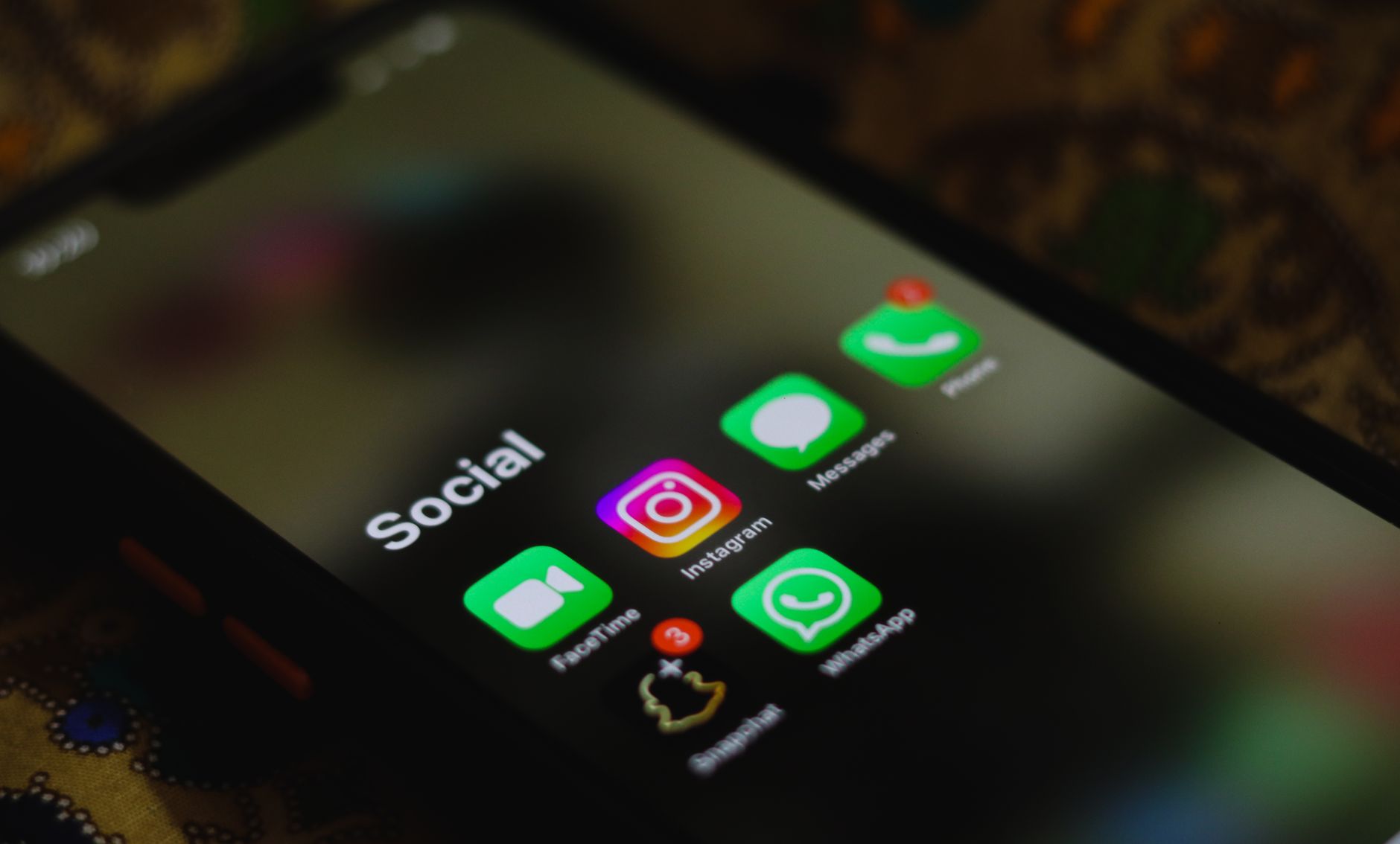
SMS (Short Message Service) text is a widely used communication tool that allows users to send short messages via mobile devices. It facilitates quick, simple, and efficient text exchanges without the need for internet access. Understanding how SMS works, its features, and its limitations can help users leverage this technology effectively.
In this article, we’ll explore what SMS text is, its key features, how it differs from other messaging options, and the inherent limits that come with SMS technology. Whether you’re a casual user or someone seeking a deeper understanding of mobile communication, this guide provides valuable insights.
What Is SMS Text?
SMS text is a service within the mobile telecommunications networks that enables users to send and receive short text messages. Originally designed for basic communication, SMS has evolved into a vital means of interpersonal communication across the globe. An SMS message typically consists of up to 160 characters in length, allowing users to convey concise information quickly.
One of the distinguishing factors of SMS is that it can be sent over standard cellular networks, unlike other messaging applications that rely on an internet connection. This means users can send messages in places where Wi-Fi may be unavailable while still being able to communicate with others.
How SMS Works
SMS operates by using a store-and-forward method within cellular networks. Here’s how the typical process unfolds when sending an SMS:
- The sender composes a text message on their mobile device.
- The message is sent to a Short Message Service Center (SMSC).
- The SMSC routes the message to the recipient’s device after checking if it is available and reachable.
- Once received, the message is stored until the recipient is ready to read it.
This method enables messages to be sent and received even if the recipient’s device is not powered on at the time of sending.
Key Features of SMS Text
- Ubiquity: SMS is supported by most mobile phones and networks worldwide, making it accessible to a wide range of users.
- Reliability: SMS delivers messages even in low coverage areas, where data services may not be available.
- Speed: Messages are typically delivered within a few seconds, providing quick communication.
- Compatibility: SMS is compatible across various devices, meaning that messages can be sent from one carrier to another without issues.
- No internet required: Unlike many modern messaging applications, SMS does not require internet access, only cellular connectivity.
Security and Privacy Considerations
While SMS has several advantages, users should be aware of its security features. SMS messages are not encrypted, leaving them vulnerable to interception. This means that sensitive information should not be shared via SMS unless the user is certain of the security of the channel.
Limits of SMS Text
Despite its many features, SMS text does come with a few notable limitations:
- Character Limit: SMS messages are restricted to 160 characters. Longer messages can be sent but will be split into multiple segments, which may incur additional charges depending on the carrier.
- No Multimedia Support: Standard SMS does not allow for the transfer of multimedia files (such as photos and videos). However, there is a separate service called MMS (Multimedia Messaging Service) for that purpose.
- Cost: Sending SMS messages may incur fees depending on the user’s mobile plan. Although many plans include unlimited texting, others may charge per message.
- Group Messaging Challenges: Sending messages to multiple recipients can create unique issues, such as privacy concerns and message fragmentation.
Alternatives to SMS Text
With advancements in technology, various alternatives to SMS text have emerged. These alternatives offer features that SMS lacks, further enabling robust communication.
1. Instant Messaging Apps
Applications like WhatsApp, Telegram, and Signal offer extensive features, including:
- End-to-end encryption for security.
- The ability to send multimedia files.
- Group chat functionality with potentially unlimited participants.
- Status updates and various other features like voice and video calls.
2. Rich Communication Services (RCS)
RCS is an upgrade to SMS that enhances messaging experiences with features similar to those offered by instant messaging applications. Key enhancements include:
- Higher character limits (up to 8,000 characters).
- Read receipts and typing indicators.
- Sending images, videos, locations, and audio messages.
RCS is gradually being supported by various mobile carriers and devices, making it a more feature-rich alternative to traditional SMS.
How to Send an SMS Text
Sending an SMS text is a straightforward process, typically involving just a few simple steps:
- Open your mobile messaging app.
- Select the option to compose a new message.
- Enter the recipient’s phone number or select from your contacts.
- Type your message in the text box.
- Press send.
Once you have completed these steps, your SMS will be on its way to the recipient. You will typically receive a notification when the message has been sent successfully.
Troubleshooting Common SMS Issues
If you encounter problems when sending or receiving SMS messages, consider the following troubleshooting steps:
- Check Signal Strength: Ensure your device is within a good coverage area; lack of signal can hinder message delivery.
- Restart Your Device: Restarting can often resolve minor software glitches affecting messaging capabilities.
- Check Message Center Number: Verify that your message center number is correctly configured in your device settings.
- Clear App Cache: For smartphone users, clearing the messaging app cache can fix issues related to the app itself.
Use Cases for SMS Text
SMS text serves a variety of purposes in communication. Here are some of the most common use cases:
1. Personal Communication
SMS is frequently used for casual conversations between friends and family. It allows quick and efficient exchanges without needing to make phone calls.
2. Business Communication
Businesses often utilize SMS for customer support and notifications. Alerts regarding appointments, transactions, or promotions can be communicated swiftly via text messages.
3. Authentication and Security
SMS is commonly employed for two-factor authentication (2FA), providing an additional layer of security for online accounts and transactions. By sending verification codes to users via SMS, companies can enhance account security.
Regulations Surrounding SMS Texting
Different countries have established regulations governing SMS usage, particularly concerning privacy and consent. For instance, regulations such as the Telephone Consumer Protection Act (TCPA) in the United States require businesses to obtain explicit consent before sending marketing texts to individuals.
Understanding these rules is essential for both individuals and businesses to ensure compliance and maintain respect for privacy.
Future of SMS Texting
The future of SMS texting seems secure, even as competitors like instant messaging apps gain popularity. SMS remains relevant due to its reliability and simplicity. However, incorporating features from emerging technologies is essential to keep it competitive.
With the advancement of RCS, we can expect SMS communication to become richer, offering more capabilities while retaining its core function of facilitating swift communication.
Conclusion
SMS text remains a vital communication tool that plays a significant role in mobile interactions. It combines accessibility, reliability, and simplicity, making it ideal for personal and business use. While it faces competition from instant messaging applications and RCS, its fundamental nature continues to serve its purpose effectively.
To make the most out of SMS, users should understand its limitations and the scope of alternatives available. As technology evolves, SMS will continue to adapt, ensuring it remains a relevant tool in the communication landscape.
For those interested in exploring related tech topics, check out our guides on what is the Signal app and what does RCS chat mean for insights into alternative messaging platforms.