
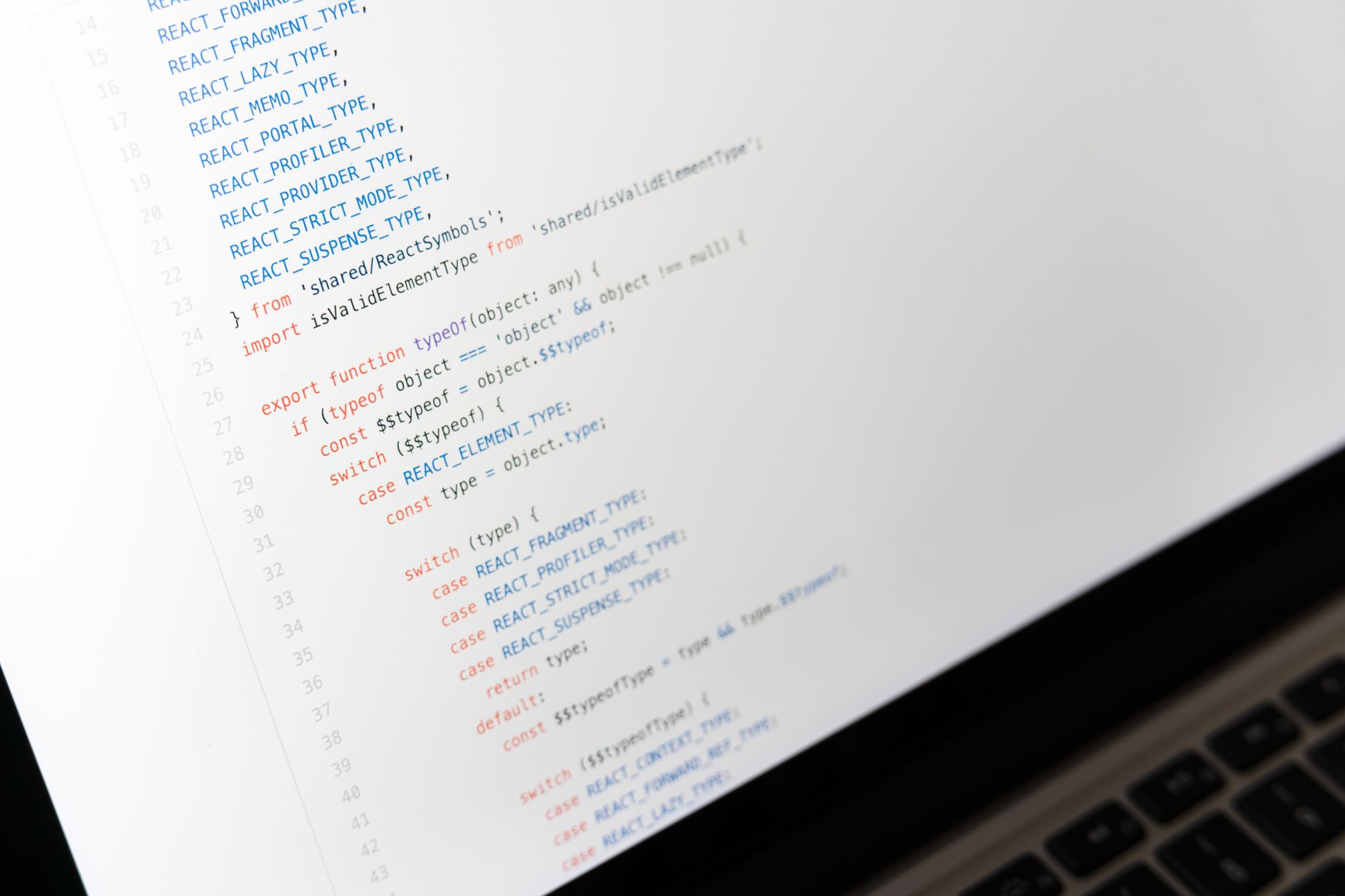
Coding, commonly referred to as programming, is the process of creating instructions for computers using programming languages. It transforms human ideas into a language that machines can understand, enabling them to perform tasks ranging from simple calculations to complex system operations. Understanding coding is essential in today’s technology-driven world.
In this article, we’ll explore what coding is, the various programming languages, its applications across different fields, and provide examples to give you a clearer picture of how coding is harnessed in real-life scenarios.
What Is Coding?
Coding is the act of writing commands in a programming language to create software or applications. It involves translating user requirements into specific sequences of instructions that a computer can execute. The coding process is fundamental to software development and helps bring digital products and services to life.
Programming languages provide the syntax and structure needed to communicate with computers. Developers not only utilize these languages to create code but also to build applications, websites, and systems that users interact with daily.
Basic Concepts of Coding
To understand coding better, it’s helpful to familiarize yourself with some core concepts:
- Programming Languages: Tools used to write code such as Python, Java, C++, and JavaScript.
- Syntax: The set of rules and structures that define how a programming language works.
- Compilation vs. Interpretation: Compilation translates the entire code into machine code before execution, while interpretation executes code line-by-line.
- Algorithms: Step-by-step procedures for solving specific problems through codes.
- Data Structures: Organized formats for storing and managing data in programming.
Types of Programming Languages
Programming languages can be grouped into different categories based on their characteristics and uses. Here are some of the main types:
1. Low-Level Languages
These languages are closer to machine code and are generally harder to read. Examples include:
Assembly LanguageMachine Language
2. High-Level Languages
High-level languages are more abstract and easier for humans to understand. They require less effort for code writing and debugging. Common high-level languages include:
PythonJavaC++JavaScript
3. Scripting Languages
Scripting languages are often used for automating processes within applications. Notable examples include:
PHPRubyPerl
4. Markup Languages
Markup languages like HTML and XML are used to structure and present content, rather than performing logic and computations.
Uses of Coding
Coding plays a vital role across various domains, leading to numerous applications. Here are some areas where coding is prominently used:
1. Software Development
The most common use of coding is to build software applications. This includes everything from simple programs to complex enterprise solutions.
2. Web Development
Coding is essential for creating websites and web applications, using languages like HTML, CSS, and JavaScript. It helps design the layout, functionality, and interactivity of websites.
3. Mobile App Development
Mobile applications for iOS and Android devices are built using various programming languages (Swift for iOS, Kotlin for Android) and require coding for both frontend and backend functionalities.
4. Data Analysis and Machine Learning
Coding is critical in data science and analytics. It allows data engineers and scientists to manipulate data, derive insights, and build machine learning models using languages like Python and R.
5. Game Development
Creating video games involves coding to design game mechanics, graphics, AI, and overall gameplay. Programming languages like C#, C++, and Python are popular among game developers.
6. Internet of Things (IoT)
The IoT relies on coding for building smart devices and systems capable of communicating with each other. This includes coding firmware and applications that control sensor data.
Coding Examples
Below are some coding examples in different programming languages to illustrate the concepts:
Example 1: Python Hello World
print("Hello, World!")This simple line of code printed to the console demonstrates how easy it is to get started with coding in Python.
Example 2: JavaScript Function
function add(a, b) {
  return a + b;
}
console.log(add(5, 3)); // Outputs: 8
This example shows how to define a function in JavaScript and use it to perform a calculation.
Example 3: HTML Structure
<!DOCTYPE html>
<html>
  <head>
    <title>My Page</title>
  </head>
  <body>
    <h1>Welcome to My Page</h1>
  </body>
</html>
This is a basic HTML document structure that displays a title and a heading on a webpage.
Getting Started with Coding
If you’re interested in learning to code, consider the following steps:
- Choose a Programming Language: Decide which language to learn first based on your goals. Python is popular for beginners due to its simplicity.
- Find Learning Resources: Utilize online platforms such as Codecademy, freeCodeCamp, or Coursera for structured courses.
- Practice Regularly: Hands-on practice is vital. Try solving coding problems on sites like LeetCode or HackerRank.
- Work on Projects: Apply your skills by creating small projects, such as a personal website or a simple game.
- Join Communities: Engage with coding communities such as Stack Overflow or GitHub to seek help, collaborate, and share your projects.
The Importance of Coding Skills
Coding skills are increasingly valuable in many professions beyond traditional software development. As technology continues to evolve, understanding coding fosters critical thinking, problem-solving abilities, and enhances career prospects. Many roles today, even outside technology, may benefit from basic coding knowledge.
Coding and Cybersecurity
Coding plays a crucial role in cybersecurity as well. Security professionals use coding to automate tasks, analyze network traffic, and develop secure systems. Knowledge of coding also helps in understanding vulnerabilities and developing mitigation strategies against them. Here are some key aspects:
- Write Secure Code: Understanding coding principles can help developers write secure applications, reducing vulnerabilities.
- Script Automation: Security professionals automate tasks such as penetration testing and incident response through code.
- Analyze Malware: Coding knowledge allows cybersecurity experts to analyze malicious scripts and software to devise protective measures.
Conclusion
Coding serves as a fundamental skill in today’s digital world, powering everything from software applications to advanced technologies like AI. Whether you aim to develop apps, analyze data, or enhance cybersecurity, coding knowledge is indispensable. If you’re ready to take the next step, consider exploring free online courses, engaging with coding communities, and practicing consistently to enhance your skills.
For those interested in expanding their tech knowledge, check out these related resources: What is C? and What is Docker?.