
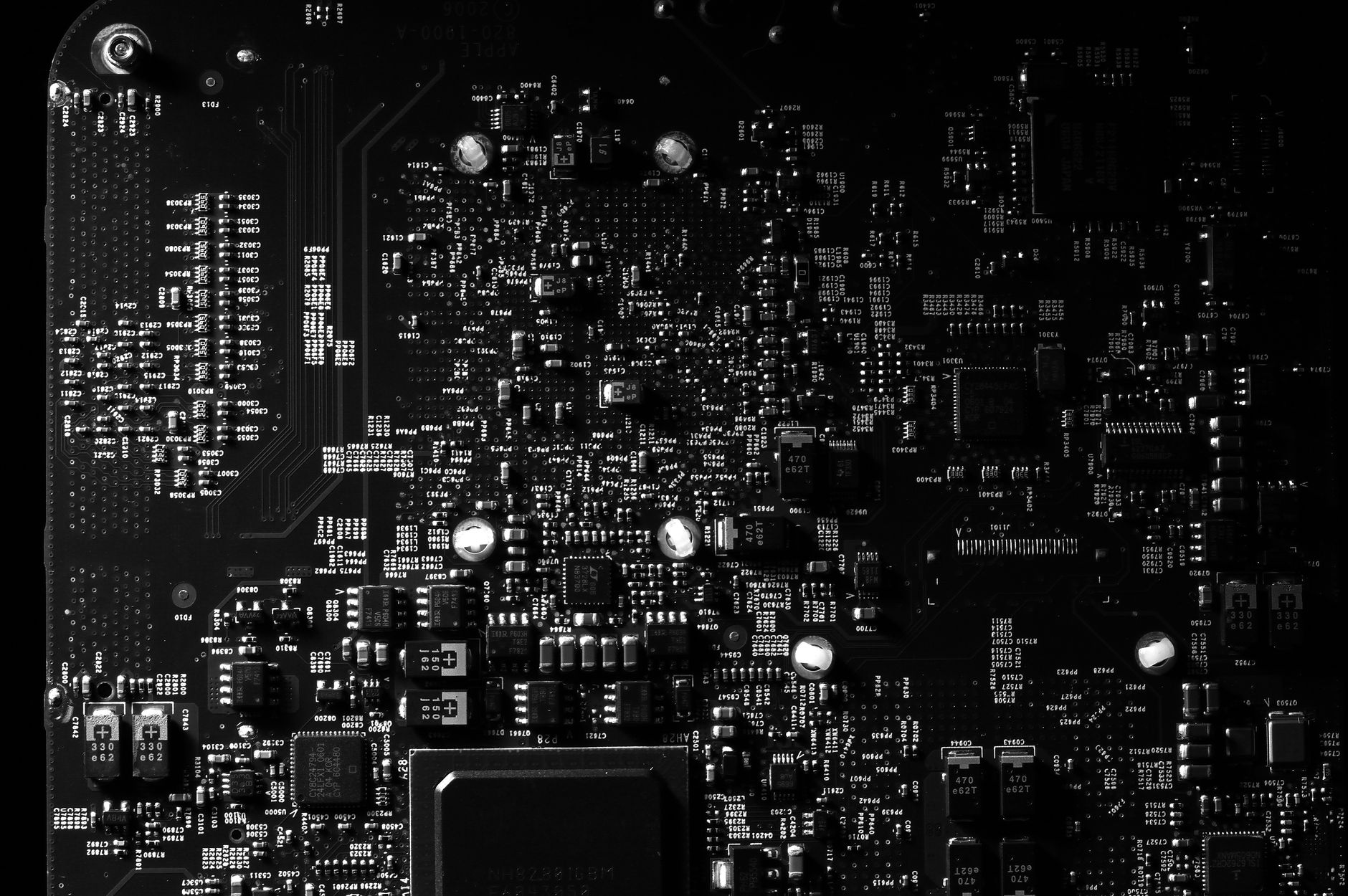
A circuit is a closed loop through which electrical current flows. It comprises various components like resistors, capacitors, and inductors that work together to control and manage electric power. Understanding the fundamental principles of circuits is essential for anyone interested in electronics, whether for hobbyist projects or professional engineering.
This article will explore the types of circuits, their components, how current flows through them, and their applications in everyday technology. By the end, you will have a solid grasp of what circuits are and how they function in various electronic devices.
What Is a Circuit?
A circuit is defined as a complete path that allows electric current to flow. It consists of interconnected components that are designed to work collectively to perform a specific function. Circuits can be simple or complex, ranging from a basic flashlight to sophisticated computers.
Types of Circuits
Circuits can be categorized based on several criteria, including the arrangement of components, the nature of the current, and their applications. The main types include:
- Series Circuits: In a series circuit, components are connected end-to-end, so the current flows through one component after another.
- Parallel Circuits: Components are connected alongside each other, and the current divides among them. Each component operates independently.
- Combination Circuits: These circuits combine both series and parallel configurations. They are useful in more complex applications.
- AC (Alternating Current) Circuits: The current in AC circuits periodically reverses direction. AC is commonly used in household power systems.
- DC (Direct Current) Circuits: In DC circuits, the current flows in one direction only, making it suitable for batteries and other electronic devices.
Basic Components of a Circuit
Understanding the key components that make up a circuit is crucial. Here are some of the most common components:
Resistors
Resistors limit the flow of electric current and are measured in ohms (Ω). They prevent excessive current from damaging circuit components.
Capacitors
Capacitors store electrical energy temporarily, releasing it when needed. This makes them essential for smoothing out voltage fluctuations in circuits.
Inductors
Inductors store energy in a magnetic field when electrical current flows through them. They are often used in filters and oscillators.
Diods
Diods allow current to flow in only one direction, providing rectification in power supplies. They are critical for converting AC to DC.
Transistors
Transistors act as switches or amplifiers in circuits. They are the building blocks of modern electronic devices.
How Current Flows Through a Circuit
Current flow in a circuit can be influenced by two primary factors: voltage and resistance.
Ohm’s Law
Ohm’s Law is a fundamental principle that defines the relationship between voltage (V), current (I), and resistance (R). It is expressed as:
V = I × RWhere:
- V: Voltage in volts (V)
- I: Current in amperes (A)
- R: Resistance in ohms (Ω)
This law helps in calculating how much current will flow through a circuit based on the applied voltage and resistance.
Electrical Potential
The flow of current is driven by electrical potential differences (voltage) in the circuit. Current will flow from the point of higher potential to lower potential.
Understanding Circuit Behavior
The behavior of a circuit depends on how its components are arranged and the type of current used. Each configuration, whether a series or parallel circuit, exhibits unique properties.
Analyzing Series Circuits
In a series circuit, the same current flows through all components. The total resistance is the sum of the individual resistances:
R_total = R1 + R2 + R3 + ...If one component fails, the entire circuit will stop functioning since the current cannot complete its loop.
Analyzing Parallel Circuits
In parallel circuits, the voltage across each component is the same, while the current can differ. The total resistance is calculated using the following formula:
1/R_total = 1/R1 + 1/R2 + 1/R3 + ...This design means that if one path fails, current can still flow through the other branches, making them more robust than series circuits.
Applications of Circuits
Circuits play a crucial role in various applications and technology, including:
- Consumer Electronics: Circuits are fundamental in devices like smartphones, laptops, and television sets, where they enable operational functionality.
- Industrial Equipment: Manufacturing and machinery use complex circuits to control operations, monitor processes, and improve efficiency.
- Automotive Systems: Modern vehicles rely on numerous circuits to control engines, safety features, and infotainment systems.
- Communication Devices: Circuits are essential in networking equipment and communication devices, facilitating data exchange.
Basic Circuit Design Principles
When designing a circuit, there are several principles to consider:
Simplicity
A good circuit design should be as simple as possible to minimize complications during execution and troubleshooting. Simplicity also helps reduce costs.
Functionality
Clearly define what the circuit needs to accomplish before starting the design. Test and iterate until the functionality meets the desired specifications.
Safety and Reliability
Ensure that components are rated for the expected voltage and current. Including fuses or circuit breakers can reduce the risk of damage or hazards.
Troubleshooting Circuits
When circuits do not operate as expected, troubleshooting is essential. Common issues include:
Short Circuits
A short circuit occurs when unintended paths allow current to bypass intended components. This can often lead to component damage or excessive heat generation.
Open Circuits
Open circuits occur when there is a break in the path, preventing current flow. This might be due to broken connections, failed components, or disconnected wires.
Overloaded Circuits
Overloading happens when too many components draw more current than the circuit can handle. This can lead to overheating, damage, or failure.
Troubleshooting Steps
- Inspect all connections and solder joints for signs of failure or corrosion.
- Use a multimeter to measure voltage and current flows at various points in the circuit.
- Check components individually to ensure they are functioning correctly.
- Refer to schematics to understand intended current paths and verify they are intact.
- Replace any faulty components and retest the circuit.
Conclusion
Understanding circuits, their components, and their functionality is crucial for engaging with modern technology effectively. From power systems to small electronic devices, circuits are everywhere, making insights into their workings invaluable. By mastering the principles, components, and troubleshooting techniques, anyone can delve into the fascinating world of electronics.
To learn more about related topics, check out our guides on logic gates and semiconductors.