
Artificial Intelligence (AI) has rapidly transformed the technology landscape, influencing industries from healthcare to finance. However, a question many may not consider is whether AI requires water for its operation. This article explores the relationship between AI, data centers, and cooling systems—vital components that often involve significant water usage.
Understanding this connection is crucial, especially as the demand for AI services continues to surge. Through this discussion, we will examine how AI infrastructure utilizes energy, the importance of cooling systems, and how water plays a key role in sustaining these technologies.
Does AI Use Water?
Yes, AI uses water indirectly through the data centers that power AI applications. These data centers require robust cooling systems to manage the heat produced by high-performance servers. Many of these systems rely on water to maintain optimal operating temperatures.
The Role of Data Centers in AI
Data centers are the backbone of AI technologies. They house the servers and storage systems required for processing and storing vast amounts of data. The performance and energy consumption of these facilities have a direct impact on how AI applications operate.
What Are Data Centers?
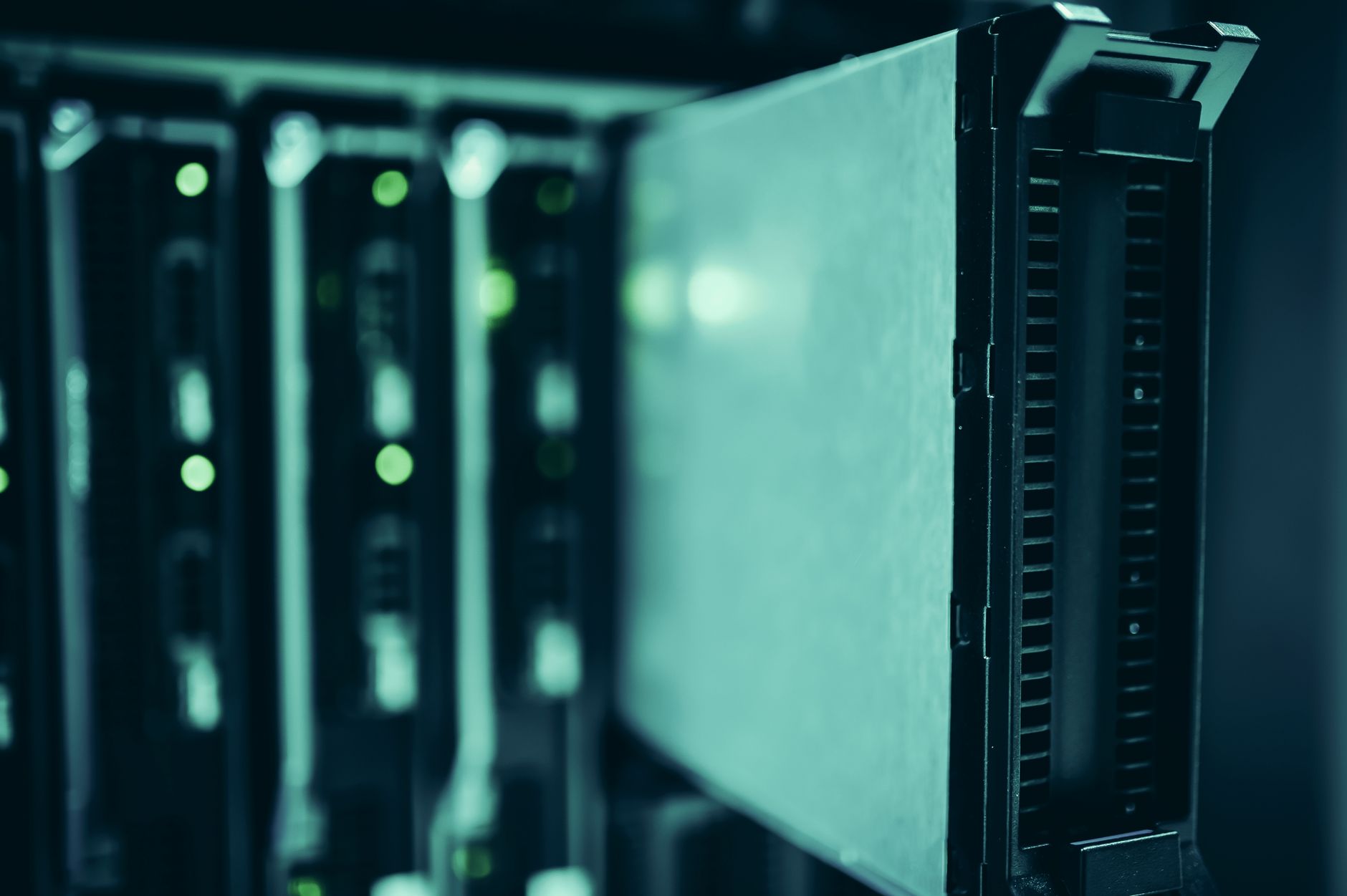
A data center is a facility that centralizes an organization’s IT operations and equipment. It includes servers, storage systems, networking equipment, power supplies, and cooling systems. Data centers vary in size and design, depending on their purpose and the organization’s needs.
Infrastructure Components Relevant to AI
- Servers: High-performance servers run complex AI algorithms that require significant computational power.
- Storage: Storage systems manage the large volumes of data essential for training and deploying AI models.
- Networking Equipment: High-speed networks facilitate the transfer of vast amounts of data between servers.
- Power Supplies: Reliable power sources are essential to keep data centers operational 24/7.
Cooling Needs in Data Centers
Cooling systems are critical to maintaining the performance and longevity of the equipment housed in data centers. These systems prevent overheating and help ensure that servers can operate at optimal efficiency.
Why Cooling Is Necessary
As servers perform computations, they generate heat. If this heat is not adequately dissipated, it can lead to hardware failure, reduced performance, and increased energy consumption. Therefore, cooling systems play a vital role in maintaining the right operating environment.
Types of Cooling Systems
- Air Cooling: This method uses air circulation to cool down servers. Fans draw in cool air and push out hot air.
- Liquid Cooling: This approach uses liquid (often water) to absorb heat from servers, carrying it away to a heat exchanger.
- Evaporative Cooling: This system uses the evaporation of water to cool air before it enters the data center, reducing the need for mechanical cooling.
Water Usage in Cooling Systems
Water plays a crucial role when it comes to cooling in many modern data centers. Understanding how water is utilized can provide insights into the environmental impact of AI technology.
Water-Cooled Systems
Liquid cooling systems use water or another coolant to transfer heat away from the data center’s hardware. These systems may employ various configurations, such as:
- Chilled Water Systems: Chillers produce cold water that absorbs heat from the servers, effectively cooling them down.
- Direct Liquid Cooling: Coolant is delivered directly to components, enhancing cooling efficiency.
Water-Intensive Data Centers
Some data centers, particularly those in hot climates, rely heavily on water to cool their facilities effectively. However, water scarcity in certain regions raises concerns about the sustainability of such practices.
Environmental Considerations
The relationship between AI, data centers, and water use raises important environmental issues. As the demand for AI technologies continues to expand, so too does the pressure on water resources in various regions.
Water Scarcity and Data Centers
Many areas in the world face water scarcity due to factors like climate change,population growth, and urbanization. Data centers require large volumes of water for cooling, potentially straining local resources.
Strategies for Reducing Water Usage
Data center operators are increasingly adopting strategies to minimize water consumption:
- Recycling Water: Some facilities recycle water used for cooling, reducing the overall demand for freshwater.
- Hot/Cold Aisle Containment: This method optimizes airflow in data centers, reducing the need for cooling and consequently water usage.
- Using Alternative Cooling Methods: Data centers are exploring options like their use of air cooling or hybrid systems that minimize reliance on water.
Energy Consumption of AI and Data Centers
Not only does AI utilize water indirectly through cooling systems, but it also consumes vast quantities of energy. Understanding the energy demands of AI can help contextualize its water needs.
Energy-Intensive Nature of AI
AI applications, especially those using deep learning techniques, require considerable computational resources. This demand translates into high energy consumption for data centers, further complicating their operational requirements.
Power Sources for Data Centers
Data centers may draw power from various sources, each contributing differently to their environmental footprint:
- Renewable Energy: Some facilities utilize solar, wind, or hydroelectric power to reduce their carbon impact.
- Fossil Fuels: Many data centers still rely on traditional power sources, contributing to greenhouse gas emissions.
Future Trends in Data Centers, AI, and Water Usage
The tech industry is continually evolving, and new methods for reducing water and energy consumption are becoming commonplace as awareness of environmental issues increases.
Innovative Cooling Technologies
Emerging technologies show promise in optimizing cooling processes:
- Immersion Cooling: Submerging servers in non-conductive liquids can enhance cooling efficiency while reducing water needs.
- AI-Driven Optimization: Intelligent systems can dynamically manage cooling resources based on real-time demand, increasing efficiency.
Regulatory and Community Pressures
The growing awareness of environmental sustainability leads to increasing regulations regarding water use for data centers, as well as community pressures to operate responsibly. This influences how organizations design and operate their facilities.
Conclusion
AI does indeed use water, primarily through the data centers that support its operations. These facilities require effective cooling systems, many of which rely heavily on water. As AI’s presence grows, its environmental impact, particularly concerning water resources and energy consumption, also becomes more significant. Data centers must adapt, seeking sustainable practices to mitigate their footprint.
As an immediate next step, consider exploring how data centers and AI technologies are evolving to promote sustainability and efficiency. For more information, check out our guide on how AI uses water.