
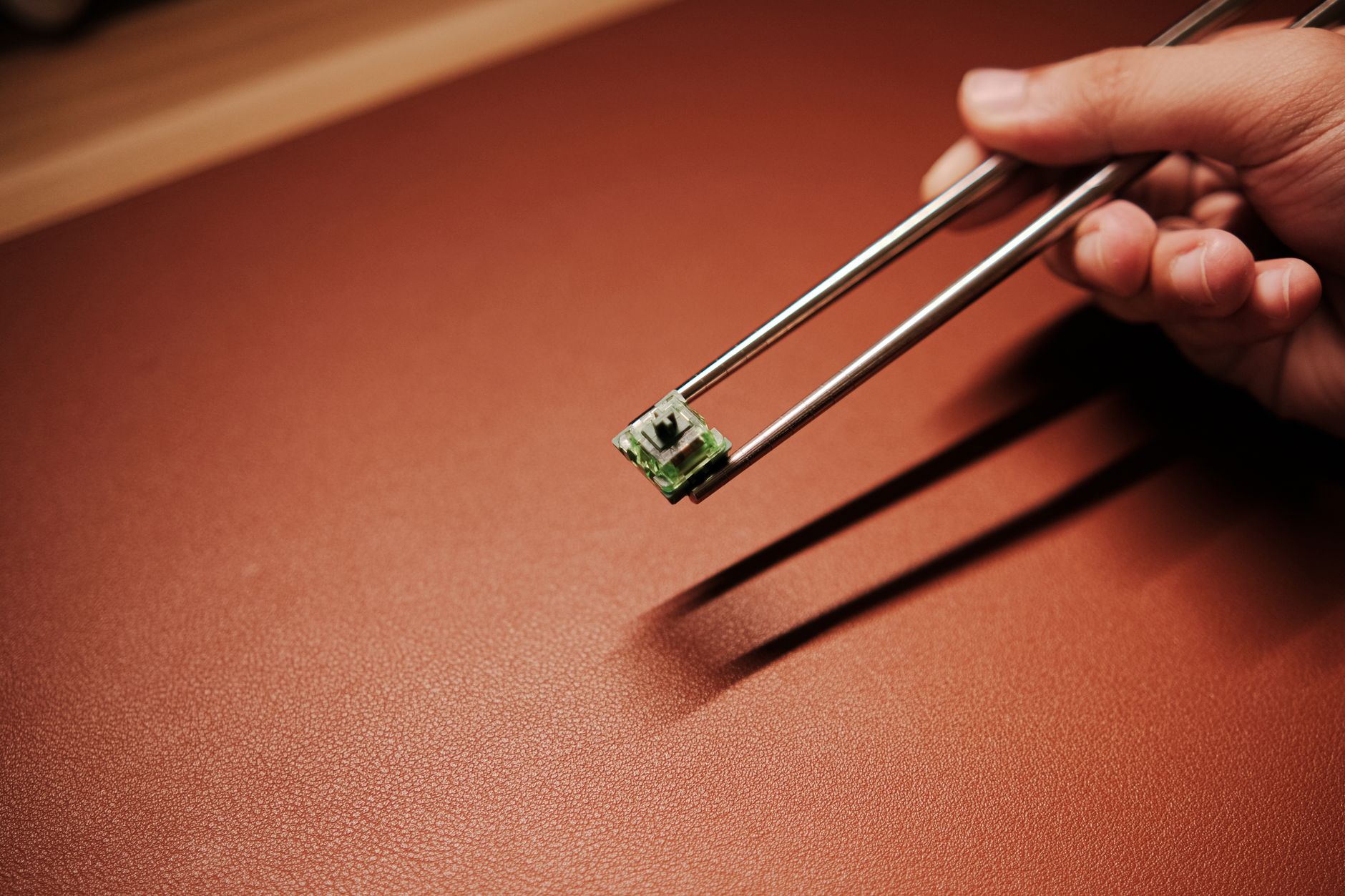
Haptics technology has become an integral part of modern consumer electronics, particularly in smartphones and gaming controllers. This technology creates tactile feedback that enhances the user experience by simulating the sensation of touch through vibrations and motions. Understanding haptics allows consumers to appreciate the technology behind their devices and how it affects interactions.
This article explores what haptics are, their different types, how they are implemented in mobile devices and gaming controllers, and the future potential of haptic technology in various applications.
What Are Haptics?
Haptics can be defined as a technology that allows users to receive tactile feedback from devices, enhancing their interaction experience. This feedback is generally provided through vibrations or movements, mimicking the sense of touch. The primary aim of haptics is to create a more immersive experience, whether in gaming, utilizing smartphones, or in other applications.
Your typical phone vibrates when you receive a notification; this is a simple example of haptic feedback. More sophisticated implementations include the vibration patterns in gaming controllers that simulate in-game events, such as explosions or crashes, ultimately making the experience more engaging.
The Science Behind Haptics
Haptic technology relies on a blend of neuroscience, engineering, and design. The basic principle is straightforward: it stimulates the skin’s tactile receptors to recreate various sensations, including texture, vibration, and motion. Here’s how it works:
- Touch Sensors: These detect user interactions, such as taps or swipes, and relay this information to the device to activate the corresponding haptic response.
- Actuation Mechanisms: Haptic devices use actuators—electromechanical components like motors or solenoids—that convert electrical signals into mechanical vibrations, allowing users to feel different sensations.
- Feedback Loop: A continuous feedback loop is established between the user’s actions and the device’s responses, promoting a seamless interaction in real time.
Types of Haptic Feedback
There are two main types of haptic feedback technologies commonly employed in devices:
1. Vibration Feedback
The most prevalent form of haptic feedback, vibration feedback, and is typically used in smartphones and tablets. Common examples include:
- Basic Vibration: Simple on-off vibrations used for notifications and alerts.
- Patterned Vibrations: More complex patterns that can represent different alerts, enhancing user differentiation.
2. Force Feedback
This type is more commonly found in gaming controllers and specialized devices. Force feedback mechanisms provide resistance against user actions, enhancing realism. Examples include:
- Joystick Feedback: Change in resistance when a joystick is engaged, simulating the feeling of vehicle control.
- Gamepad Rumble: Provides a tactile sensation during gameplay related to in-game events like explosions or collisions.
3. Advanced Haptic Technologies
Advancements in haptic technology have led to the development of new forms of feedback:
- Ultrasonic Haptics: Uses ultrasonic waves to create a sensation of touch in mid-air, offering a more immersive experience.
- Electrostatic Haptics: Renders surface textures on touchscreens using electrostatic forces, giving users the sensation of different materials.
Implementation of Haptics in Smartphones
Smartphones have integrated haptic feedback into their user experience in various ways, enhancing usability and interaction quality. Here’s how they do it:
1. Touch Feedback
Every time you tap or swipe on a smartphone, haptic feedback provides a responsive element, letting you know that the touch has been registered. This feedback often comes in the form of a subtle vibration, making it feel more natural and responsive.
2. Notifications and Alerts
Many smartphones allow for customizable notification settings, including vibration patterns. Users can set different patterns for specific alerts, such as text messages, emails, or social media notifications, ensuring they know who is reaching out without needing to look at the screen.
3. Gaming Experiences
Mobile gaming has greatly benefited from haptic technology. Developers can create immersive experiences by incorporating vibrations to signify actions, such as shooting, jumping, or taking damage, providing an added layer of realism to gameplay.
Haptics in Gaming Controllers
Gaming controllers utilize haptics to enhance the gaming experience significantly. Here are the key applications:
1. Immersion Through Feedback
Force feedback in gaming controllers allows players to feel the intensity of in-game actions. For example, the sensation of a car driving over different surfaces or the recoil when firing a weapon creates a more engaging experience.
2. Customization Options
Many modern gaming controllers allow players to adjust the intensity and type of haptic feedback. Customization leads to a tailored gaming experience, enabling users to select the feedback that suits their preferences.
3. Integration with Gameplay
Game developers are beginning to design games with haptic feedback in mind. This integration allows for nuanced feedback, like the feeling of tension when pulling a virtual bowstring. The synergy between haptic feedback and gameplay mechanics enhances overall enjoyment.
Future of Haptic Technology
As technology continues to evolve, haptics are expected to further advance. Here are some anticipated developments:
1. Enhanced Realism
Highly immersive experiences will likely become standard, with haptic feedback being used in virtual reality (VR) and augmented reality (AR) environments. Users will feel environmental interactions, making their virtual experiences as engaging as real life.
2. Application in Emerging Industries
Industries such as healthcare, education, and automotive sectors are beginning to explore advanced haptic applications. For instance, medical training could use haptic feedback to simulate procedures, giving practitioners sensory experience without the risks.
3. Integration with AI and Machine Learning
The incorporation of machine learning algorithms to haptic technology could lead to more adaptive and personalized feedback systems. Devices could analyze user preferences and adjust accordingly, offering a uniquely tailored experience.
Challenges in Haptic Technology
While haptic technology holds significant potential, there are inherent challenges:
1. Power Consumption
Enhanced haptic feedback mechanisms can lead to increased battery drain. Balancing performance and power efficiency will be crucial in future developments.
2. Standardization
The lack of universal standards for haptic feedback can lead to inconsistencies in user experience across different devices and applications.
3. User Comfort and Acceptance
Not all users may be receptive to complex haptic feedback. Educating consumers on its benefits and applications will play a significant role in the technology’s acceptance.
Choosing Devices with Haptic Feedback
When considering a new smartphone or gaming controller, evaluating haptic feedback capabilities can enhance your experience. Keep these tips in mind:
- Test Responsiveness: Try out different devices to gauge how responsive and satisfying the haptic feedback feels.
- Look for Customization: Consider devices that allow customization of haptic settings, which can enhance usability to your preference.
- Check Compatibility: Ensure the device supports the types of haptic feedback you desire, particularly if you engage in gaming or creativity.
Conclusion
Haptics technology has revolutionized how we interact with electronic devices, providing tactile feedback that enhances user experience. Understanding haptics can help users make informed decisions when purchasing smartphones and gaming controllers, ultimately leading to a more immersive experience in digital interactions. As this technology matures, expect broader applications ranging from gaming to healthcare, with endless possibilities on the horizon.
To further your exploration into technology, you may find it useful to look for guides on various tech topics, including tutorials and comparisons of devices with enhanced haptics and related technologies.